
Safety training is a crucial component in creating and maintaining a safe working environment across all industries. It involves educating employees about potential hazards, safe work practices, and emergency procedures to reduce the risk of accidents and injuries. Whether in construction, manufacturing, healthcare, or office settings, comprehensive safety training benefits both employees and employers by promoting awareness, compliance, and a culture of safety.
What is Safety Training?
Safety training refers to structured programs specifically designed to educate workers on how to carry out their tasks safely and efficiently. These programs help employees understand the various risks present in their workplace environment and teach them how to mitigate those risks effectively. Workers gain the knowledge and skills necessary to perform their duties while minimizing the chances of accidents and injuries. This proactive approach not only protects employees but also contributes to the overall productivity and success of the organization.
One of the critical components of these programs is hazard recognition. Workers learn to identify potential dangers such as slippery floors, exposed electrical wiring, or harmful chemicals. Understanding these hazards is the first step in preventing accidents before they happen. Proper training equips employees with the ability to anticipate and avoid these risks, fostering a safer workplace culture. By routinely incorporating hazard recognition into training sessions, organizations empower their workforce to take responsibility for their own safety as well as that of their coworkers.
Safety Training also emphasizes the proper use of personal protective equipment (PPE). Employees are trained on how to select the right type of PPE for their specific tasks, how to wear it correctly, and how to maintain it to ensure maximum protection. From gloves and helmets to respirators and safety goggles, PPE plays a crucial role in preventing injuries. Comprehensive programs ensure that workers understand the importance of PPE and are confident in using it, significantly reducing the risk of exposure to workplace hazards.
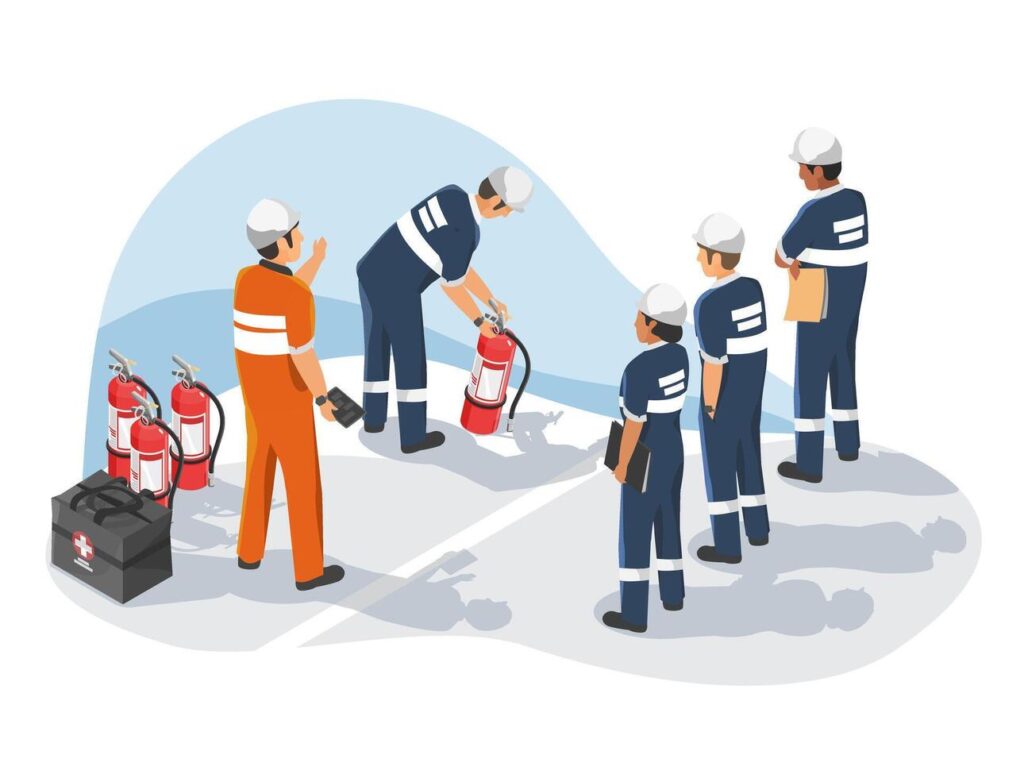
Emergency preparedness is another fundamental part of effective training. Workers are taught how to respond appropriately during emergencies such as fires, chemical spills, or medical incidents. This includes knowledge of evacuation procedures, the location and use of fire extinguishers, and basic first aid techniques. Well-structured training provides employees with the calmness and clarity needed to act decisively under pressure, potentially saving lives and minimizing damage during critical situations.
In addition to these topics, ergonomics is often covered, focusing on designing workspaces and tasks to fit employees’ physical capabilities, reducing strain and preventing musculoskeletal disorders. Training on proper lifting techniques, workstation setup, and posture can greatly reduce fatigue and long-term injuries. By integrating ergonomics into the training, employers demonstrate a commitment to not only immediate safety but also the long-term health and comfort of their workforce.
Handling machinery and chemicals safely is another specialized area addressed in these programs. Employees receive instructions on operating machinery according to manufacturer guidelines and regulatory standards, as well as on storing and disposing of chemicals safely to avoid accidents and environmental harm. Effective training in these areas is crucial to prevent serious injuries and ensure compliance with legal requirements.
Finally, ongoing and refresher training is essential to maintain a high standard of workplace safety. As technologies evolve and regulations change, employees need to stay up to date with the latest safety practices and guidelines. Regular sessions reinforce the importance of safety protocols and help sustain a culture where safety is prioritized every day. Through continuous learning, organizations can adapt to new challenges and maintain a workforce that is knowledgeable, vigilant, and prepared.
Why is Safety Training Important?
Prevention of accidents and injuries is one of the primary goals of workplace programs. By educating employees on proper procedures and precautions, many common injuries can be avoided, such as slips, falls, burns, and exposure to harmful substances. Ensuring workers are aware of these risks helps create a safer environment for everyone.
Safety Training is essential for compliance with legal requirements. Many countries have laws and regulations mandating that employers provide such training. Compliance ensures the company meets occupational safety and health standards set by regulatory bodies such as OSHA (Occupational Safety and Health Administration) in the United States or the Health and Safety Executive (HSE) in the UK.
Reducing costs is another significant benefit of effective safety programs. Accidents lead to costly medical bills, workers’ compensation claims, lost workdays, and potential fines. By lowering accident rates, Safety Training helps reduce these financial burdens, saving organizations money and resources.
Employees who feel safe at work tend to be more confident and productive. A strong emphasis on safety shows that an organization values its workforce, which can boost morale and reduce absenteeism. Cultivating such a positive environment benefits both staff and management.
Finally, ongoing safety education helps build a culture where safety is a shared responsibility. Workers become proactive about identifying hazards and supporting safe practices. This culture of awareness and accountability is a direct outcome of continuous and effective Safety Training.
Key Components of Effective Safety Training

Employees learn how to recognize different types of hazards—physical, chemical, biological, ergonomic—and understand their potential impact. This knowledge is crucial for preventing accidents before they occur and maintaining a safe working environment.
Safety Training also covers the proper use of personal protective equipment (PPE). Training on selecting, using, and maintaining equipment like helmets, gloves, masks, and goggles is vital to protect workers against specific risks and ensure their safety on the job.
Workers are taught how to respond to emergencies such as fires, chemical spills, or medical incidents. This includes understanding evacuation routes, alarm systems, and basic first aid, which prepares employees to act swiftly and correctly when unexpected situations arise.
Safe work practices are an essential part of comprehensive training. Employees learn the correct handling of tools and machinery, proper lifting techniques, electrical safety, and good housekeeping to prevent hazards and reduce the chance of injury.
Because workplace conditions and regulations evolve, regular refresher courses are necessary. These ongoing sessions ensure employees stay knowledgeable and compliant, reinforcing the principles of Safety Training and adapting to new safety standards.
Conclusion

Safety training is an indispensable part of workplace management that protects lives and enhances business performance. It plays a critical role in occupational health and safety risk assessment in Morocco by equipping employees with the knowledge required to identify and prevent potential hazards. Through structured safety procedures and safety protocols, organizations can improve the level of safety in the workplace and promote a culture of continuous proactive risk assessment.
Investing in comprehensive and ongoing safety training supports legal and regulatory OHS compliance, reinforcing the importance of administrative controls in OHS, engineering controls (mitigation measures), and proper use of personal protective equipment (PPE). These safety measures are key elements of a well-rounded approach to risk assessment and the prevention of workplace accidents.
A robust focus on Health and well-being in workplace, supported by modern tools such as risk assessment software, contributes to a positive work culture through safety. By integrating clear safety guidelines and encouraging employee engagement, organizations foster a workplace where workplace safety is a shared priority.
Ultimately, a strong commitment to safety training reflects a deeper commitment to the overall well-being and security of every employee, making safety a strategic pillar in achieving operational excellence.