

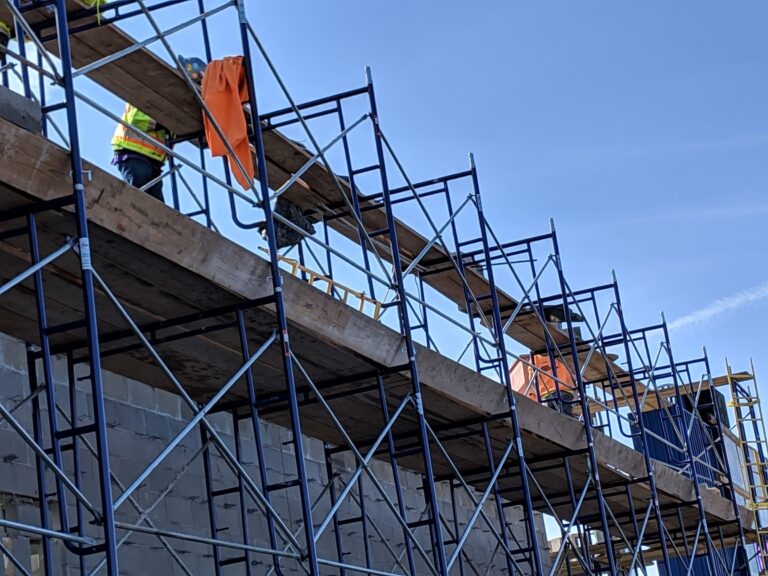
The construction industry is one of the most hazardous sectors worldwide. Falls, structural collapses, and unsafe work environments are common. One major contributor to these risks is improper scaffolding use. This is where scaffolding training becomes crucial. Understanding how to erect, use, and dismantle scaffolds properly can significantly reduce workplace accidents.

In this article, we explore what scaffolding training entails, why it’s essential, who needs it, and how to ensure your team is compliant and competent.

What Is Scaffolding Training?

Scaffolding training

Scaffolding training refers to structured learning programs that teach workers how to safely work with scaffolding systems. These systems are temporary structures used to support people and materials during the construction or repair of buildings and other large structures.

The training includes both theoretical knowledge and practical skills. Participants learn how to:

  • Assemble and dismantle scaffolding correctly

  • Inspect scaffolding before use

  • Recognize potential hazards

  • Use fall protection equipment

  • Follow local and international safety standards

Most programs are aligned with regulations such as OSHA (Occupational Safety and Health Administration) in the U.S. or similar bodies in other countries.

Why Is Scaffolding Training Important?

The importance of scaffolding training cannot be overstated. According to OSHA, scaffolding accidents account for a significant percentage of construction-related injuries each year. These accidents are often due to:

  • Inadequate training

  • Improper scaffold construction

  • Overloading

  • Failure to use personal protective equipment (PPE)

With proper training, workers are more confident and aware of the risks involved. They can take preventive actions, report unsafe conditions, and apply best practices on-site.

Here are the key benefits:

  • Reduced accidents and injuries

  • Improved site productivity

  • Compliance with legal requirements

  • Increased worker confidence and morale

Who Needs Scaffolding Training?

Not only scaffold builders need this training. Anyone working on or around scaffolding should receive at least basic instruction.

Here’s a breakdown:

RoleTraining Type
Scaffold erectors/dismantlersFull certified training
Site supervisorsIntermediate training + inspections
Workers using scaffoldsBasic awareness training
Health & safety officersRegulatory compliance and auditing

Employers have a legal obligation to ensure that all relevant personnel are adequately trained.

Types of Scaffolding Training Programs

Training programs vary depending on job roles and project complexity. Most fall into these categories:

Basic Awareness Training

Ideal for workers who will use scaffolding but not build or alter it. It covers general safety practices and hazard identification.

Competent Person Training

For supervisors or managers who must inspect scaffolds and ensure compliance. It includes regulatory knowledge, inspection techniques, and risk management.

Advanced Erector Training

This is in-depth training for those assembling and dismantling scaffolds. It includes engineering principles, load calculations, and use of advanced systems like suspended or mobile scaffolds.

Many courses are available in-person, online, or in blended formats to fit diverse schedules.

Legal and Regulatory Requirements

Every country has its own rules concerning scaffolding. However, most include the following elements:

  • Workers must be trained before working on scaffolds.

  • Refresher training is required periodically.

  • Only qualified personnel may erect and dismantle scaffolds.

  • Employers must keep documentation of all training.

In the U.S., OSHA Standard 1926.454 outlines these regulations in detail. Non-compliance can lead to fines, project delays, or worse—serious injuries.

Companies should consult national and local regulations regularly to stay updated.

What Should a Good Training Program Include?

When selecting a training provider or designing an in-house program, ensure the following elements are included:

  1. Theory modules

    • Scaffold types and components

    • Load handling and capacity

    • Risk assessments

  2. Practical sessions

    • Scaffold assembly/disassembly

    • Safety inspections

    • Use of PPE and fall protection systems

  3. Evaluation

    • Written and hands-on assessments

  4. Certification

    • Proof of competency valid for a specific period

A well-rounded scaffolding training program empowers workers to act with confidence and precision.

Certification and Renewals

After completing a course, workers typically receive a certificate that proves their training. Most certifications are valid for 2 to 5 years.

Renewal may be required when:

  • Regulations change

  • A worker returns after a long absence

  • Job responsibilities evolve

Some certifications also have levels (e.g., Basic, Intermediate, Advanced). This allows for ongoing skill development within the company.

Cost and ROI of Scaffolding Training

Many companies hesitate due to the perceived cost of training. However, the return on investment (ROI) is substantial.

Direct Benefits:

  • Fewer workplace injuries = lower insurance premiums

  • Reduced downtime from accident investigations

  • Avoidance of regulatory fines

Indirect Benefits:

  • Improved reputation

  • Higher worker satisfaction

  • Better project timelines

Investing in scaffolding training now can save tens of thousands later—not to mention protecting lives.

How to Get Started with Scaffolding Training

Here’s a quick checklist for businesses:

  1. Assess your current team’s needs.

  2. Identify legal training requirements in your region.

  3. Choose a reputable training provider.

  4. Schedule regular refresher courses.

  5. Maintain accurate records of all certifications.

Also, consider partnering with trade schools or industry associations. They often offer group discounts and up-to-date curriculums.

Conclusion

Scaffolding training is not just a legal box to check—it’s a strategic investment in your team’s safety, performance, and long-term success. Whether you’re managing a small crew or leading large construction projects, ensuring your workers are trained is a step toward fewer accidents and more efficient operations.