
Workplace safety is not just a regulation—it’s a responsibility. One of the most overlooked yet critical areas in industrial safety is the proper control of hazardous energy. That’s where lockout/tagout training becomes essential. This practice prevents the unexpected start-up of machines and protects employees from potential injuries during maintenance or servicing.

Whether you’re an employer, safety manager, or technician, understanding this training is key to reducing risks, complying with OSHA standards, and fostering a culture of safety.

What Is Lockout/Tagout?

lockout/tagout training

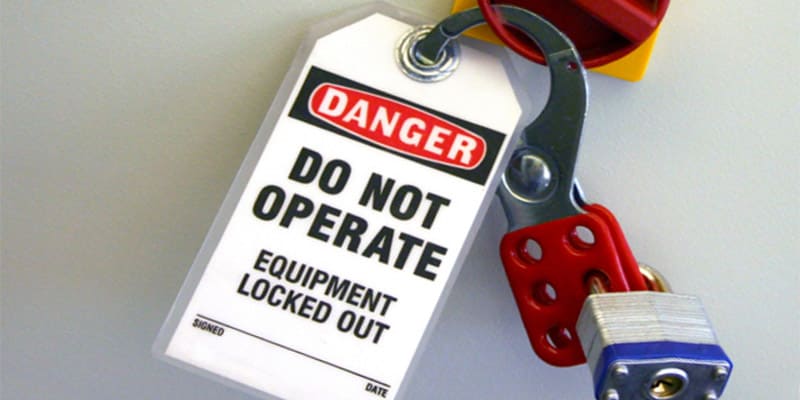
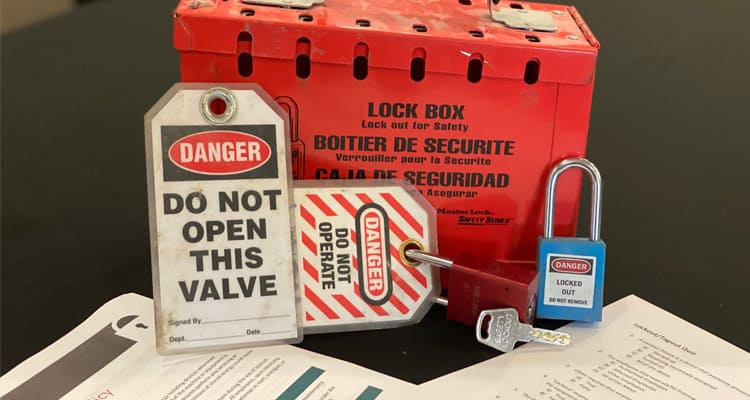
Lockout/tagout (LOTO) is a safety procedure that ensures machines are properly shut off and not restarted until maintenance or repair work is complete. It involves two key elements:

  • Lockout: Physically isolating the energy source using a lock.

  • Tagout: Placing a visible tag that warns others not to operate the machine.

These steps are crucial when dealing with hazardous energies like electrical, hydraulic, pneumatic, mechanical, or thermal systems.

Common Risks Without Proper Training

Without proper lockout/tagout procedures, workers are exposed to serious dangers. These may include:

  • Electrocution

  • Crushing injuries

  • Amputations

  • Burns from hot fluids or steam

  • Unexpected machine activation

According to OSHA, failure to control hazardous energy accounts for nearly 10% of serious industrial accidents. These incidents are preventable with structured lockout/tagout training.

What Does Lockout/Tagout Training Involve?

A comprehensive lockout/tagout training program should cover:

1. Understanding Hazardous Energy

Trainees must learn the types of energy sources present in the workplace and how they pose a threat if uncontrolled.

2. Roles and Responsibilities

Different employees have different responsibilities:

  • Authorized employees: Those who perform the lockout/tagout procedures.

  • Affected employees: Those who operate or use the equipment.

  • Other employees: Anyone working near the machinery.

Training ensures everyone knows their role and how to respond during maintenance.

3. Step-by-Step Lockout/Tagout Procedure

The training should teach:

  • Notifying all affected employees

  • Shutting down equipment properly

  • Isolating energy sources

  • Applying locks and tags

  • Releasing stored energy safely

  • Verifying zero energy state

  • Removing locks and restoring equipment post-maintenance

4. Equipment-Specific Instructions

Every machine may have different requirements. Effective training includes hands-on demonstrations with specific tools and systems used in the facility.

5. Emergency Situations and Exceptions

Trainees must also learn what to do if a tag is missing or an unauthorized restart is attempted.

Who Needs Lockout/Tagout Training?

Not only maintenance personnel, but anyone who works near hazardous equipment should receive this training. OSHA mandates that:

  • Authorized employees must receive detailed training.

  • Affected employees must understand the purpose and use of LOTO.

  • All employees must recognize lockout/tagout devices and understand why they should not be removed.

Even temporary workers or contractors should be trained if they are exposed to similar risks.

How Often Should Training Be Conducted?

Initial training is just the beginning. Refresher courses are required:

  • Annually or when procedures change

  • If an employee shows lack of knowledge or violates safety policies

  • When new machinery is introduced

Regular re-evaluation ensures the training remains effective and relevant.

Benefits of Lockout/Tagout Training

Besides legal compliance, investing in lockout/tagout training delivers significant returns:

  • Fewer workplace accidents

  • Lower insurance premiums

  • Less equipment damage

  • Increased employee confidence and morale

  • Enhanced operational efficiency

Training empowers workers to act responsibly and promotes a proactive safety culture.

Best Practices to Strengthen Your Program

To ensure your lockout/tagout training is successful:

Customize to Your Facility

Use real equipment and actual scenarios from your workplace. Employees learn better when training is relevant.

Use Visual Aids and Hands-On Practice

Videos, posters, and interactive sessions improve retention. Demonstrations are especially powerful.

Document Everything

Keep training logs, testing results, and procedure checklists. Documentation proves compliance and helps with audits.

Conduct Mock Drills

Simulate real-life situations to test employees’ responses. This reinforces learning and identifies weaknesses.

Foster a Safety-First Mindset

Encourage employees to report hazards and participate in safety discussions. Make lockout/tagout part of the company culture.

Compliance with OSHA Regulations

OSHA’s standard 29 CFR 1910.147 outlines the requirements for lockout/tagout. Employers must:

  • Develop a written energy control program

  • Provide necessary training to all affected workers

  • Review procedures annually

  • Ensure only trained personnel perform the procedures

Non-compliance can result in hefty fines and serious liability issues.

Real-World Example: How Training Saved Lives

At a large manufacturing plant in Ohio, an untrained worker attempted to service a press machine without performing LOTO. The machine activated unexpectedly, resulting in severe injuries.

Following the incident, the company launched a comprehensive lockout/tagout training initiative. Since then, accident rates dropped by over 70%. This real-world case shows how vital proper training can be.

Conclusion:

Implementing effective lockout/tagout training isn’t just about following rules—it’s about protecting lives. With the right training, you empower your team, minimize risks, and build a strong foundation for workplace safety.

Every employee deserves to go home safe at the end of the day. With structured LOTO procedures and training, you take one major step toward making that a reality.