
Fire safety isn’t just a legal requirement — it’s a crucial part of protecting lives, assets, and business continuity. One of the most effective ways to ensure your building is safe is through a Fire Protection Audit.

This comprehensive evaluation identifies risks, verifies compliance, and helps organizations stay ahead of potential hazards. Whether you’re managing a warehouse, office space, or commercial facility, understanding how these audits work can save time, money, and lives.

In this guide, we’ll explore what a Fire Protection Audit entails, who needs it, and how to prepare effectively.

What Is a Fire Protection Audit?

Fire Protection Audit

A Fire Protection Audit is a systematic assessment of a building’s fire safety systems, policies, and readiness. The purpose is to evaluate the effectiveness of fire prevention measures and ensure compliance with local and international fire codes.

The audit covers:

  • Fire detection and alarm systems

  • Emergency exits and evacuation procedures

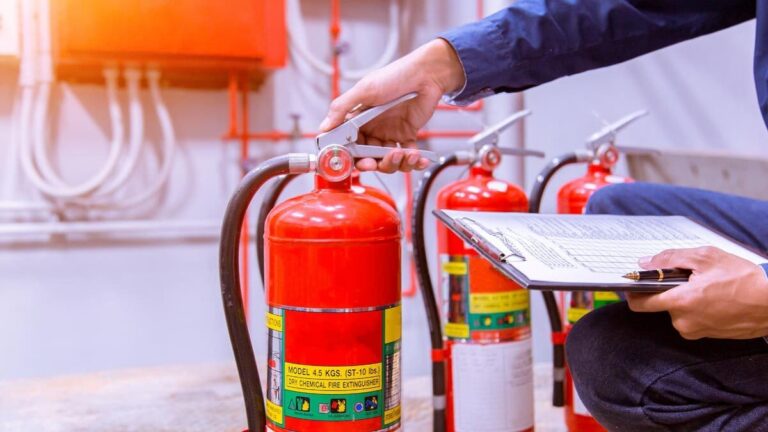
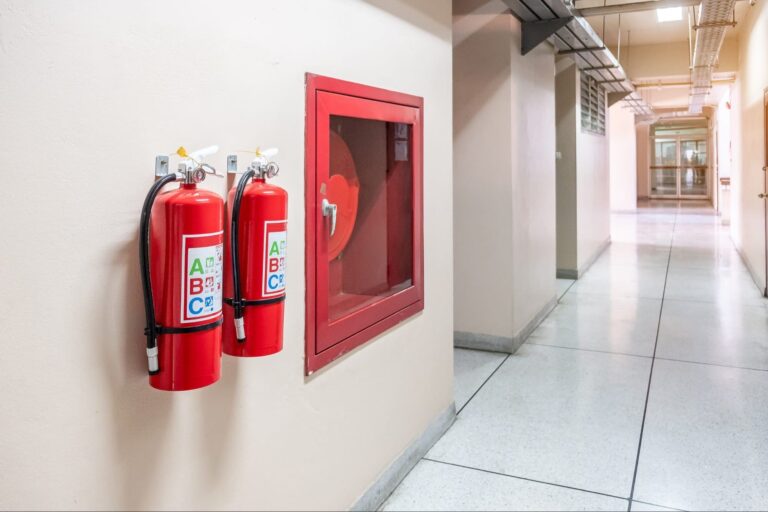
  • Firefighting equipment (extinguishers, sprinklers)

  • Training and preparedness of occupants

  • Maintenance records and system inspections

By identifying gaps in the system, an audit allows organizations to address issues before they turn into serious threats.

Why Is It Important for Businesses?

Fire Protection Audit

A fire can destroy an entire operation within minutes. Beyond the human risk, the financial damage from downtime, asset loss, and legal consequences can be overwhelming.

Here’s why a Fire Protection Audit is critical:

  • Regulatory Compliance: Many jurisdictions mandate periodic audits to comply with fire safety laws.

  • Insurance Requirements: Insurers often demand proof of a functioning fire protection system.

  • Operational Safety: Ensures that staff and visitors are protected during emergencies.

  • Risk Management: Identifies hidden vulnerabilities that may not be visible during daily operations.

By investing in regular audits, businesses not only meet legal obligations but also build a safer workplace culture.

Key Components of a Fire Protection Audit

A thorough audit examines multiple layers of fire safety. Here’s a breakdown of what to expect:

1. Inspection of Fire Detection Systems

Auditors check that smoke detectors, heat sensors, and alarm panels are installed correctly, functional, and regularly tested. They also evaluate their integration with building management systems.

2. Firefighting Equipment Evaluation

All firefighting tools — from portable extinguishers to automatic sprinkler systems — are inspected for accessibility, condition, and maintenance status.

3. Emergency Exit Analysis

Are exits clearly marked, unobstructed, and well-lit? The audit ensures that all evacuation routes are compliant with safety codes and that staff are trained on how to use them.

4. Staff Awareness and Training

Human behavior plays a major role in emergencies. Auditors review fire drills, safety signage, and employee training records to ensure readiness.

5. Documentation and Compliance Records

An audit includes a review of fire safety documentation — such as inspection logs, maintenance schedules, and emergency response plans. These documents are essential for proving compliance.

Who Should Conduct a Fire Protection Audit?

Typically, these audits are carried out by certified fire safety professionals. They may be:

  • Internal safety officers trained in fire regulations

  • Third-party fire protection consultants

  • Government-authorized inspectors

Choosing an independent and experienced auditor helps ensure an objective evaluation and enhances credibility in legal or insurance-related matters.

How Often Should You Schedule an Audit?

While laws vary by region, a general rule of thumb is to perform a Fire Protection Audit in Morocco annually. However, some environments — like factories, hospitals, or high-rise buildings — may require more frequent checks.

Key triggers for an additional audit include:

  • Changes in building layout

  • Installation of new equipment

  • After a fire incident

  • Updates in local fire codes

Frequent reviews help maintain a culture of safety and minimize the risk of overlooked hazards.

Preparing for a Fire Protection Audit

Preparation is key to a smooth and effective audit. Here’s how to get ready:

  1. Gather Documentation: Have all fire safety records, maintenance logs, and training certificates on hand.

  2. Inspect Equipment: Ensure that extinguishers, alarms, and emergency lights are in good working condition.

  3. Review Procedures: Make sure your emergency response plan is updated and staff are aware of their roles.

  4. Fix Known Issues: Address any previous violations or maintenance gaps ahead of the audit.

Being proactive improves the outcome and reduces the chance of penalties or corrective actions.

Common Issues Found During Audits

Understanding what typically goes wrong can help you avoid costly errors. Common red flags include:

  • Blocked emergency exits

  • Expired fire extinguishers

  • Lack of regular equipment inspections

  • Untrained personnel

  • Outdated or missing documentation

Identifying these before the auditor does can make a big difference in your final report.

Benefits Beyond Compliance

Although legal compliance is a major driver, there are several added benefits to conducting regular audits:

  • Improved Insurance Ratings: Demonstrating a strong fire safety program may lower premiums.

  • Operational Continuity: Minimizing fire risk helps ensure that operations aren’t interrupted.

  • Increased Employee Confidence: A safer environment boosts morale and productivity.

  • Brand Reputation: Demonstrating commitment to safety reflects positively on your business.

Choosing the Right Fire Protection Audit Partner

Not all auditors are created equal. When selecting a provider, consider the following:

  • Certifications: Ensure the auditor is licensed and up-to-date with current codes.

  • Experience: Look for firms that specialize in your industry or building type.

  • Detailed Reporting: Choose someone who offers actionable insights and clear documentation.

  • Post-Audit Support: Some consultants offer training or system upgrades following the audit.

Doing due diligence on your auditor can improve both the experience and the outcome.

Conclusion:

A Fire Protection Audit in Morocco is more than a checkbox — it’s a vital tool for ensuring the safety and compliance of your facility. By understanding what these audits involve and preparing properly, businesses can protect people, property, and productivity.

Safety is everyone’s responsibility. Taking time now to assess your fire readiness could be what prevents a disaster later.