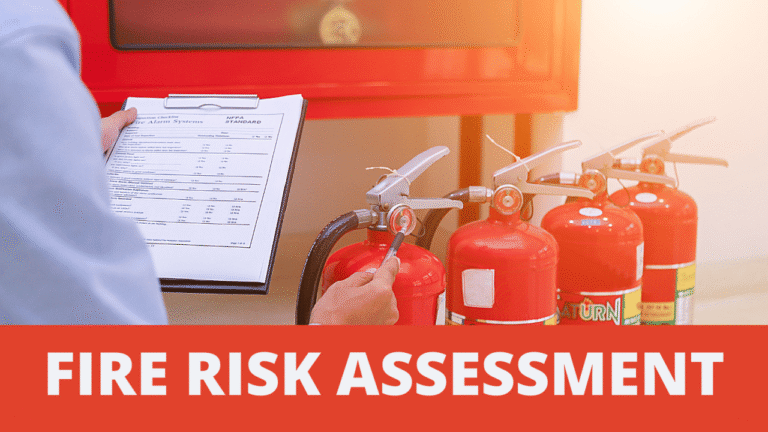
Ensuring fire safety is a legal and moral obligation for all types of facilities, whether residential, commercial, or industrial. A Fire Regulatory Assessment is a critical process that helps organizations meet fire safety regulations and identify fire-related risks before they become hazards.

In this guide, we’ll break down the key components of a fire regulatory assessment, why it’s essential, who needs it, and how to implement it effectively.

What Is a Fire Regulatory Assessment?

Fire Regulatory Assessment

A Fire Regulatory Assessment is a structured evaluation of a building’s fire safety measures, designed to ensure compliance with national or local fire codes. The assessment identifies potential fire hazards, evaluates existing preventive measures, and recommends improvements to meet legal requirements.

It’s more than a checklist — it’s a complete risk management process that considers the building’s design, occupancy, operations, and emergency planning.

Who Needs a Fire Regulatory Assessment?

Almost all organizations need one, especially those responsible for:

  • Public or employee safety

  • High-occupancy buildings (hotels, schools, offices)

  • Storage or use of flammable materials

  • Manufacturing operations

  • Healthcare and senior living facilities

In many countries, building owners are legally required to perform and document this assessment at regular intervals. Failing to do so can result in legal penalties, insurance complications, or even criminal liability in the event of an incident.

Key Elements of a Fire Regulatory Assessment

Identification of Fire Hazards

Assessors inspect:

  • Electrical installations

  • Heating and cooling systems

  • Cooking appliances

  • Storage of combustible materials

  • Smoking areas and policies

They identify all potential sources of ignition and assess how likely a fire could start and spread.

Evaluation of Existing Safety Measures

This includes a thorough check of:

  • Fire detection systems (smoke detectors, heat sensors)

  • Fire suppression systems (sprinklers, extinguishers)

  • Emergency exits and signage

  • Alarm and communication systems

  • Staff training and fire drills

Risk to Occupants

The assessment must account for people at increased risk, such as:

  • Elderly individuals

  • Children

  • People with mobility or sensory impairments

  • Employees working with hazardous substances

Emergency Planning and Procedures

This involves reviewing evacuation plans, fire wardens, and emergency response coordination. Are evacuation routes accessible and clearly marked? Are staff trained in using extinguishers or aiding disabled individuals?

Legal and Regulatory Compliance

The assessment should reference applicable codes and standards, such as:

  • National Fire Protection Association (NFPA) codes

  • Local building and fire safety regulations

  • Industry-specific guidelines

Who Conducts the Assessment?

A fire regulatory assessment can be conducted internally by a trained safety officer, but best practice often involves hiring an accredited fire safety consultant.

These professionals bring objectivity, deeper knowledge of codes, and experience with various building types. They also provide formal documentation and clear action plans, making it easier to prove compliance.

Steps to Implement a Fire Regulatory Assessment

1. Initial Risk Screening

Start with a basic review to identify immediate risks or violations. This helps prioritize urgent actions.

2. Hire a Qualified Assessor

Choose someone with relevant certifications and experience with your type of facility.

3. Full Site Inspection

The assessor will visit the site, review documentation, and inspect physical safety systems.

4. Report Generation

The final report outlines findings, risk levels, and recommended actions. It should be accessible and easy to understand.

5. Implement Corrective Actions

Use the report as a roadmap. Address high-priority issues first, like blocked exits or missing alarms.

6. Ongoing Review

Schedule periodic reviews — at least annually — to ensure the measures remain effective and compliant.

Legal Implications of Non-Compliance

Ignoring fire safety obligations can have severe consequences:

  • Fines and penalties from local authorities

  • Insurance denial if safety standards weren’t met

  • Reputation damage after public incidents

  • Business closure or license revocation

  • Criminal liability in case of injury or death

That’s why a well-documented Fire Regulatory Assessment isn’t just a box-ticking exercise — it’s essential risk management.

Benefits Beyond Compliance

A fire regulatory assessment isn’t only about avoiding fines. It also brings:

  • Peace of mind for building owners and occupants

  • Reduced liability in case of accidents

  • Lower insurance premiums when proper systems are in place

  • Improved emergency readiness, saving lives in critical moments

  • Operational continuity, by reducing downtime after incidents

Common Mistakes to Avoid

Treating it as a One-Time Task

Fire safety evolves. A one-off assessment quickly becomes outdated.

Focusing Only on Equipment

Human behavior and training are just as important as hardware.

Poor Documentation

Without records, proving compliance is difficult — even if systems are in place.

Ignoring Accessibility Needs

Safe evacuation for all occupants, including those with disabilities, is a legal requirement.

Tips to Stay Ahead
  • Integrate assessments into annual maintenance cycles

  • Invest in staff training programs

  • Use smart fire detection and monitoring technologies

  • Establish a clear chain of responsibility

  • Encourage a culture of fire safety in your organization

Fire Regulatory Assessment in Different Industries

Hospitality

Hotels must assess fire safety across guest rooms, kitchens, and public spaces.

Manufacturing

Facilities handling flammable materials need more frequent and detailed checks.

Healthcare

Evacuation procedures for non-ambulatory patients are a top priority.

Offices

Training and drills play a central role, especially in high-rise buildings.

Each industry faces unique challenges, but the Fire Regulatory Assessment in Morocco framework adapts to all environments.

Conclusion

A Fire Regulatory Assessment in Morocco is a crucial step in ensuring the safety of occupants and legal compliance for buildings. By identifying risks, evaluating existing safety measures, and implementing corrective actions, this assessment helps prevent fires and minimize their impact. Beyond compliance, it promotes a culture of prevention, reduces legal liabilities, and protects both people and property. For all organizations, regularly integrating this process into risk management is an essential and strategic investment.