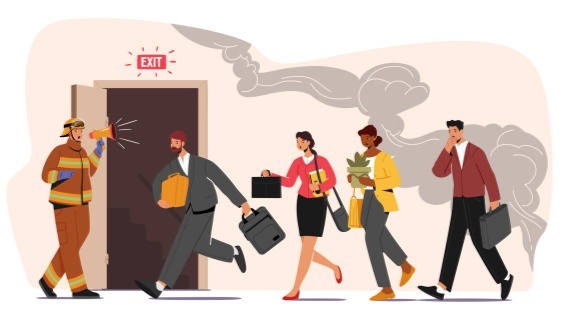
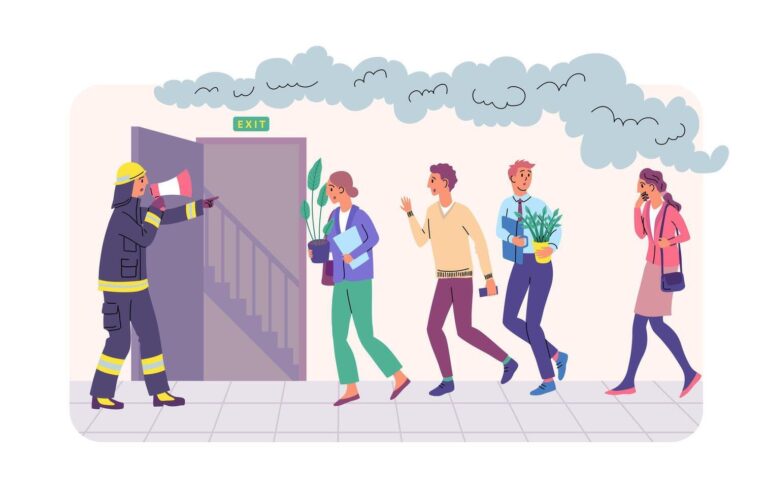
Fires can break out unexpectedly. Whether at work, school, or home, knowing how to respond can save lives. That’s why fire evacuation training is not just recommended—it’s essential.

In this guide, you’ll learn what fire evacuation training involves, why it’s crucial, and how to implement it effectively. We’ll also explore how regular practice can reduce panic and improve safety for everyone in your building.

Why Fire Evacuation Training Is Important

fire evacuation training

When a fire alarm sounds, every second counts. Confusion and panic can lead to injury or worse. Proper fire evacuation training prepares people to respond quickly and calmly.

It isn’t just about walking out of a building. It’s a coordinated plan that ensures everyone knows:

  • Where to go

  • How to get there safely

  • Who leads the evacuation

  • What to do if escape routes are blocked

Fire emergencies can escalate quickly. Without training, people might take the wrong route, forget to help others, or delay their escape to gather belongings. Training helps prevent these risks.

Who Needs Fire Evacuation Training?

fire evacuation training

Fire evacuation training is relevant for everyone, but especially in:

  • Workplaces: Offices, factories, retail stores, and warehouses

  • Schools and universities

  • Healthcare facilities: Hospitals and nursing homes

  • Residential buildings: Apartments and condos

Employers and property managers have a legal and moral responsibility to provide this training regularly. In some countries, it’s mandatory under occupational safety laws.

Key Components of Fire Evacuation Training

Training should be tailored to the building and its occupants. However, several core elements apply in all situations.

1. Evacuation Procedures

Start with a clearly written evacuation plan. This includes:

  • Primary and secondary escape routes

  • Fire alarm locations

  • Designated assembly points

  • Instructions for assisting people with disabilities

This document should be shared and displayed throughout the building.

2. Role Assignments

Certain individuals should take on key roles:

  • Fire wardens: Help guide people to safety

  • Sweepers: Check restrooms and remote areas

  • First aiders: Assist injured individuals

Each person needs clear training for their responsibilities.

3. Alarm Familiarization

Everyone must recognize the fire alarm and know what it signals. The sound should be distinct from other alerts (like intruder alarms).

In training, simulate the sound so everyone becomes familiar with it.

4. Route Practice

Knowing the route isn’t enough—people should walk it during drills. Regular practice helps build muscle memory, so actions become automatic during real emergencies.

How Often Should You Conduct Training?

At minimum, fire evacuation training in Morocco should be reviewed and practiced once a year. However, depending on the building’s use and risk level, more frequent drills may be necessary.

High-risk environments like chemical plants or hospitals often conduct quarterly drills. For offices, twice a year is a good standard.

New employees or residents should receive immediate training upon arrival.

Legal Requirements and Standards

Many countries enforce fire safety through national regulations. For example:

  • In the United States, OSHA (Occupational Safety and Health Administration) mandates emergency action plans in most workplaces.

  • In the UK, the Regulatory Reform (Fire Safety) Order 2005 requires employers to carry out fire risk assessments and ensure staff training.

  • The EU has similar directives ensuring worker safety in emergencies.

Non-compliance can lead to fines, legal action, or even imprisonment in extreme cases.

But beyond legal reasons, regular training simply makes sense. It shows that an organization values safety and preparedness.

Fire Evacuation Drills: Best Practices

Conducting a drill isn’t just about setting off an alarm. To be effective, follow these best practices:

Prepare Participants

Let people know in advance that it’s a drill. While surprise drills test real reactions, they can cause panic or distress. Balance realism with care.

Simulate Real Conditions

Block one or more routes during the drill to test alternate plans. This prepares people for unexpected obstacles.

Time the Evacuation

Measure how long it takes for everyone to reach the assembly point. Use this data to improve future drills.

Debrief After the Drill

After each drill, gather participants to discuss what went well and what needs improvement. Ask questions like:

  • Were the alarms heard clearly?

  • Did anyone struggle to find the exits?

  • Were roles performed effectively?

Document all findings and use them to revise procedures.

Common Mistakes to Avoid

Even well-meaning organizations can make mistakes during fire evacuation training. Watch out for these:

  • Skipping drills because they seem inconvenient

  • Failing to train new employees or tenants

  • Using unclear signage for exits and assembly areas

  • Not including people with mobility issues in planning

  • Treating training as a checkbox rather than a lifesaving activity

Avoiding these pitfalls ensures the training is effective and inclusive.

Technology and Tools to Support Training

Modern tools can enhance your fire evacuation training:

  • Evacuation apps: Provide digital maps, role assignments, and checklists

  • Simulation software: Create 3D models of buildings for virtual training

  • E-learning modules: Let staff complete theoretical training online before practicing drills

Technology shouldn’t replace physical drills but can support them and improve retention.

Creating a Culture of Safety

Beyond procedures and drills, fire evacuation training helps create a safety-first mindset. When employees or residents understand the importance of preparation, they become more alert and responsible.

Encourage questions, run refresher sessions, and make safety part of regular meetings or announcements. Leadership should set the tone by participating fully in drills and prioritizing safety investments.

Conclusion:

When a fire breaks out, there is no time for guesswork. Fire evacuation training in Morocco equips people with the knowledge and confidence to act quickly and responsibly.

By planning ahead, practicing regularly, and staying informed, you not only meet safety standards—you help protect lives.

Does your organization have an up-to-date fire evacuation plan? If not, now is the perfect time to start.