
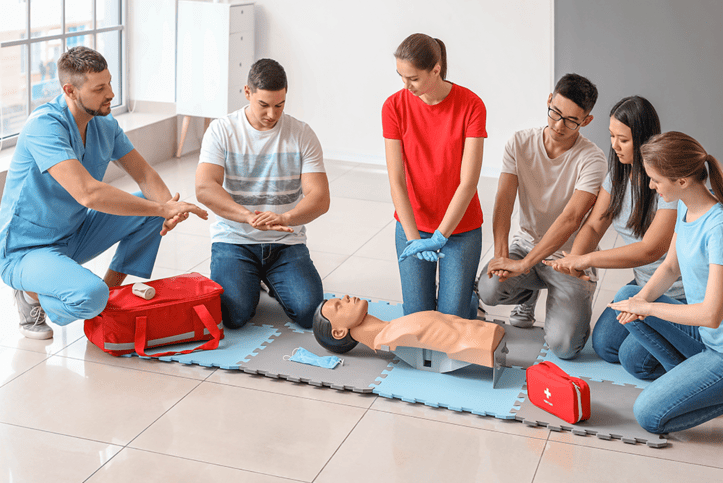

Workplace safety is a fundamental responsibility shared by all employers and employees. Whether in an office, a factory, a school, or a retail store, emergencies can occur without warning. Preparing employees to respond effectively in these situations is crucial.

Lifeguard Training at Work refers to structured first aid training provided in professional environments. The goal is to develop the ability to manage emergencies until professional medical services arrive. This article explains what the training involves, who should receive it, and how it contributes to overall workplace safety.

The Importance of First Aid Training in the Workplace

Lifeguard training at work

All work environments, regardless of the industry, carry some level of risk. Injuries, health incidents, or accidents can happen at any time. Immediate response often determines the outcome.

Lifeguard Training at Work ensures that employees are prepared to take action during medical emergencies. First aid responders can help stabilize the situation, reduce injury severity, and even save lives. Relying solely on emergency services may cause critical delays. A trained colleague can provide immediate care while waiting for paramedics.

What Does the Training Include?

The content of workplace lifeguard-style training is adapted to various risks and scenarios. Although the term “lifeguard” traditionally refers to aquatic environments, in the workplace context it covers general life-saving and first response skills.

1. First Aid Fundamentals

Participants are trained to handle common injuries, including:

  • Cuts, scrapes, and minor bleeding

  • Burns (thermal, chemical, electrical)

  • Sprains, strains, and fractures

  • Eye injuries and allergic reactions

The training includes correct use of first aid kits and safe approaches to injured persons.

2. CPR and Use of AED Devices

Cardiac arrest requires immediate intervention. Employees learn:

  • How to perform CPR on adults and children

  • How to use an Automated External Defibrillator (AED)

  • How to identify breathing difficulties and unresponsiveness

These techniques are taught through practical demonstrations and supervised practice.

3. Managing Medical Emergencies

Employees are also trained to recognize and manage medical emergencies such as:

  • Strokes

  • Seizures

  • Diabetic episodes

  • Asthma attacks

Basic knowledge of how to position the victim, monitor vital signs, and communicate with emergency responders is covered.

4. Airway Obstruction and Choking

Participants are taught to perform techniques such as the Heimlich maneuver and back blows to clear the airway of a choking victim.

Benefits of Lifeguard Training at Work

Integrating first aid training into workplace procedures offers several advantages for organizations and staff members.

1. Faster Emergency Response

In the absence of nearby medical services, trained employees can act immediately. This quick response helps prevent situations from worsening.

2. Enhanced Workplace Safety Culture

A workforce that values safety creates a more responsible and attentive environment. Staff members become more aware of hazards and take preventive measures seriously.

3. Legal Compliance

In many countries, having certified first aiders is required by law. Compliance with occupational health and safety regulations reduces legal risks and demonstrates the employer’s commitment to employee well-being.

4. Lower Workplace Injury Costs

Timely first aid can reduce the severity of injuries, which lowers medical costs, insurance claims, and absenteeism.

Who Should Be Trained?

Every organization should identify specific employees to receive Lifeguard Training at Work. Key roles include:

  • Floor supervisors and team leaders

  • Human resources personnel

  • Security staff

  • Reception or front-desk workers

  • Employees working in high-risk zones or isolated locations

The number of trained individuals should reflect the size of the company and the level of risk involved in daily operations.

How to Implement Training in Your Organization

1. Partner with Certified Training Providers

Select a training organization that complies with national safety standards. Well-known providers include the Red Cross, St John Ambulance, and authorized local agencies. Ensure that training includes certification valid for at least two years.

2. Schedule Training During Work Hours

Providing training during paid hours shows that the company supports the initiative. It also ensures better participation and concentration from employees.

3. Keep Records and Monitor Certification Expiry

Maintain a database of trained staff, certification dates, and upcoming renewals. This helps ensure constant coverage in case of emergencies.

4. Conduct Regular Drills

Simulation exercises help employees apply what they have learned in realistic situations. These drills also help identify areas for improvement and refresh essential skills.

Common Misconceptions About Workplace First Aid

Misconception 1: “This Is Only for High-Risk Jobs”

Emergencies can happen anywhere, including low-risk environments like offices. First aid knowledge is universally useful.

Misconception 2: “Emergency Services Will Arrive Fast Enough”

In critical situations like cardiac arrest or severe bleeding, even a few minutes of delay can be fatal. Immediate intervention saves lives.

Misconception 3: “First Aid Training Is Complicated”

Modern training is designed to be practical and easy to understand, even for individuals without medical backgrounds.

Cost of Training vs. Long-Term Value

The cost of Lifeguard Training at Work varies, usually between $100 and $250 per participant. While this may seem like a significant investment, the long-term value is far greater. The benefits include:

  • Reduced injury severity

  • Lower insurance premiums

  • Fewer sick days and productivity losses

  • Greater employee confidence and satisfaction

Preparing employees for emergencies also strengthens a company’s reputation as a responsible employer.

Real-World Applications in Non-Aquatic Workplaces
  • A warehouse worker collapsed due to heat exhaustion. A trained colleague administered first aid and called emergency services.

  • In a school, a teacher was able to assist a student who was choking during lunch.

  • In a corporate setting, an employee experienced a seizure. Colleagues trained in first aid kept the person safe until medical help arrived.

These situations underline the importance of readiness in every professional environment.

Maintaining Certification and Skills

To ensure long-term effectiveness, companies should:

  • Schedule refresher courses every 2 to 3 years

  • Conduct annual review sessions

  • Encourage feedback and experience sharing among trained staff

Repetition and practice are key to maintaining calm and correct reactions in real situations.

Conclusion:

Lifeguard Training at Work is essential for building a safe, prepared, and resilient workforce. By providing staff with the tools and knowledge to act during emergencies, employers reduce risks and protect both people and productivity.

This training is not just a box to check—it is an investment in human lives and organizational strength.