
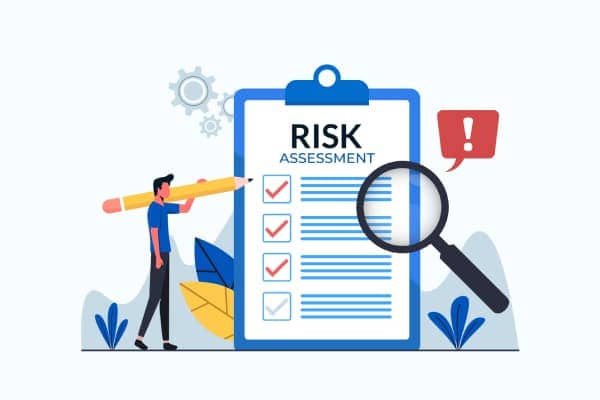
In today’s fast-paced industries, identifying and mitigating potential risks before they escalate is essential. Preliminary Risk Assessment- PRA plays a crucial role in this process. Whether you’re managing a construction project, designing a chemical plant, or launching a new product, PRA helps decision-makers act early, efficiently, and with confidence.

In this article, we’ll explore what PRA is, why it matters, how it is conducted, and the benefits it brings to businesses across sectors.

What is Preliminary Risk Assessment- PRA?

Preliminary Risk Assessment- PRA is a systematic process used to identify, analyze, and prioritize risks at the earliest stages of a project or process. It serves as a foundation for more detailed risk analysis, helping teams make informed decisions from the start.

The PRA is typically conducted during the conceptual or planning phase. Its goal is not to provide a full risk mitigation plan but rather to flag potential hazards and evaluate their likelihood and potential impact.

By identifying risks early, companies can avoid costly delays, safety issues, or regulatory non-compliance down the line.

Key Objectives of PRA

Preliminary Risk Assessment- PRA

A well-executed PRA aims to:

  • Spot early hazards: PRA looks at all potential threats, whether safety-related, environmental, financial, or operational.

  • Assess likelihood and severity: Each risk is evaluated to determine how likely it is to occur and what the consequences might be.

  • Support early decision-making: PRA results help teams decide whether to move forward, redesign, or implement early safeguards.

  • Guide further risk analysis: PRA lays the groundwork for more detailed techniques like HAZOP or FMEA.

When Should You Perform a PRA?

Timing is everything. PRA should be conducted:

  • At the feasibility or design phase of a project.

  • When introducing new technologies or materials.

  • During process modifications or expansions.

  • Before acquiring new assets or facilities.

By acting early, companies reduce uncertainty and allocate resources more effectively.

Steps Involved in Preliminary Risk Assessment- PRA

The PRA process typically includes the following five steps:

1. Define Scope and Objectives

Start by clarifying the purpose of the PRA. Are you assessing a new facility, a process change, or a new piece of equipment? Identify the team and set clear objectives.

2. Identify Hazards

This step involves brainstorming all possible risks. Tools like checklists, historical data, and expert judgment are useful here.

3. Assess Risks

Each identified hazard is evaluated based on two main criteria:

  • Probability: How likely is the risk to occur?

  • Impact: What would happen if it did?

A risk matrix is often used to rank and prioritize risks.

4. Recommend Preliminary Controls

While PRA is not a full mitigation plan, it includes initial recommendations. These could be design changes, additional studies, or quick-fix safety measures.

5. Document and Review

Finally, all findings should be documented clearly. Regular reviews help refine the PRA as more data becomes available or as the project evolves.

PRA Tools and Techniques

Several tools can enhance the PRA process:

  • Checklists: Simple but effective for ensuring common risks aren’t overlooked.

  • What-if Analysis: Encourages creative thinking by asking “what if” questions about failures.

  • Preliminary Hazard Analysis (PHA): A structured approach to identifying risks early.

  • Risk Matrices: Visual tools that help assess and rank risks based on probability and impact.

Using the right tools can make your PRA more accurate and actionable.

Industries That Benefit from PRA

Preliminary Risk Assessment- PRA in Morocco is used across various sectors:

Manufacturing

In manufacturing, PRA helps identify equipment failures, supply chain issues, or safety hazards that could disrupt production.

Construction

For construction projects, PRA can assess site safety, environmental impact, and budget risks before ground is broken.

Chemical and Process Industries

PRA is critical in identifying potential leaks, explosions, or toxic releases — all of which could have catastrophic consequences.

Healthcare

In hospitals and labs, PRA ensures patient and staff safety by addressing equipment risks, chemical exposures, or infection controls.

IT and Cybersecurity

With the growing threat of data breaches, PRA helps organizations spot vulnerabilities in systems or new software before they go live.

Benefits of Conducting PRA

A properly executed PRA brings significant benefits:

  • Reduced surprises: By identifying risks early, companies face fewer unexpected problems later.

  • Improved safety: Spotting hazards before they materialize protects workers, the public, and the environment.

  • Cost savings: Mitigating risks early is almost always cheaper than dealing with consequences.

  • Faster decision-making: PRA provides managers with clear data to support or modify project plans.

  • Regulatory compliance: Many industries require some form of early risk assessment to meet legal standards.

In short, PRA leads to better planning, safer operations, and improved outcomes.

Common Mistakes to Avoid

To get the most from your PRA, steer clear of these pitfalls:

  • Rushing the process: A superficial PRA misses key risks.

  • Lack of expertise: Always involve people who understand the technical, operational, and safety aspects of the project.

  • Poor documentation: If findings aren’t recorded clearly, the PRA loses its value.

  • Not updating the PRA: As projects evolve, so should your assessment.

Avoiding these mistakes ensures your PRA remains a useful, living document throughout your project lifecycle.

Preliminary Risk Assessment- PRA in the Context of a Risk Management Strategy

PRA is not a standalone activity. It’s an essential first step in a broader risk management framework.

Once the PRA is complete, its results should feed into more detailed analyses like:

  • HAZOP (Hazard and Operability Study)

  • FMEA (Failure Modes and Effects Analysis)

  • Quantitative Risk Assessment (QRA)

This layered approach ensures that risks are identified early, assessed in detail, and managed effectively.

Conclusion:

Preliminary Risk Assessment- PRA in Morocco is more than a technical requirement—it’s a strategic advantage. By integrating PRA into your planning processes, your organization becomes proactive rather than reactive. The results? Safer operations, smarter investments, and better business outcomes.

Is your organization making the most of PRA in its projects? How could early risk identification improve your next venture?