
In today’s industrial environment, safety is non-negotiable. Organizations in sectors like oil and gas, chemicals, and manufacturing must manage risks proactively. That’s where LOPA training comes into play.

LOPA, or Layer of Protection Analysis, is a structured method to assess risk and determine the necessary safety measures. LOPA training equips professionals with the skills to apply this method effectively, making workplaces safer and decision-making more data-driven.

Whether you’re an engineer, HSE manager, or plant operator, understanding how LOPA works and why it’s critical can give your team a real advantage in safety planning.

Understanding the Basics of LOPA

LOPA training

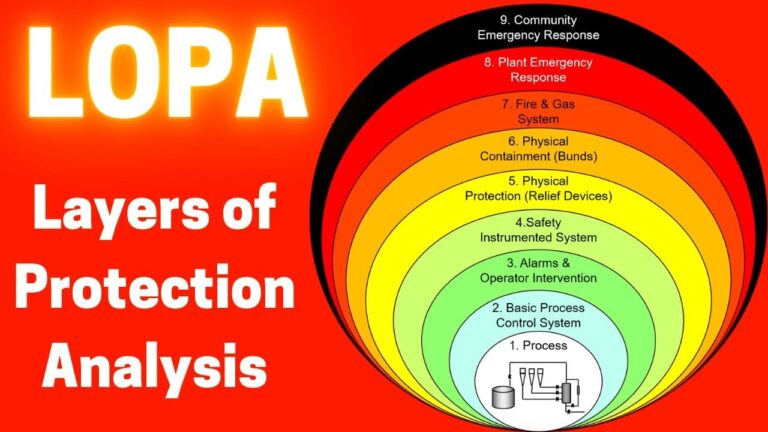
Layer of Protection Analysis (LOPA) is a semi-quantitative tool used to evaluate risk in industrial processes. It helps determine whether existing safety layers are sufficient to prevent serious accidents.

LOPA breaks down a hazardous event scenario into individual elements:

  • Initiating events (e.g., equipment failure)

  • Independent protection layers (IPLs)

  • Consequences

The goal is to determine the frequency of a hazardous event and assess if more safeguards are required.

By learning how to apply LOPA, professionals can make smarter safety decisions backed by structured logic.

Why LOPA Training Is Crucial for Safety Management

1. Builds Strong Risk Awareness

LOPA training in Morocco provides a clear framework for analyzing process hazards. Instead of relying on vague assumptions, it brings clarity to how and why a risk exists. This clarity empowers teams to act before accidents happen.

2. Supports Compliance and Standards

Regulatory bodies often require risk assessments. LOPA is recognized by international standards like IEC 61511 and IEC 61508. Having trained staff means your organization is better prepared for audits and regulatory reviews.

3. Improves Decision-Making

Trained personnel can distinguish between necessary and redundant safety layers. This avoids overdesign and unnecessary spending, without compromising safety. The result is a smarter use of resources.

What You Can Expect from a LOPA Training Program

A typical LOPA training in Morocco course blends theory with practical exercises. Participants usually go through the following modules:

Introduction to Process Safety Concepts

Before diving into LOPA, you need a basic understanding of hazard and risk concepts, including:

  • HAZOP (Hazard and Operability Study)

  • Risk matrices

  • Safety lifecycle management

LOPA Methodology Step-by-Step

Here, the core LOPA process is covered:

  • Defining the scenario

  • Identifying initiating events

  • Estimating frequency

  • Evaluating IPLs

  • Calculating risk reduction

Case Studies and Practical Application

Real-world examples help participants practice building and analyzing LOPA scenarios. This is often the most valuable part of training, especially when tailored to the participant’s industry.

Tool Usage and Documentation

Most industries use digital tools to document LOPA assessments. Training often includes a walkthrough of standard templates or software like exSILentia or PHAWorks.

Who Should Take LOPA Training?

LOPA is not just for safety engineers. A well-rounded team approach enhances the quality of the analysis. The following roles benefit greatly from training:

  • Process and instrumentation engineers

  • HSE (Health, Safety, and Environment) officers

  • Maintenance managers

  • Project managers involved in design or operations

  • Operations personnel

Even management staff can benefit from an overview, helping them understand how investment in safety layers affects overall risk and cost.

Common Pitfalls in LOPA and How Training Helps Avoid Them

Even with good intentions, mistakes can be made. Training helps address common LOPA challenges such as:

Assuming Layers Are Independent When They Aren’t

One of LOPA’s key principles is independence. If two protection layers rely on the same system or operator, they may fail together. Training teaches how to spot and avoid this issue.

Overestimating the Reliability of IPLs

Sometimes teams assume a protection layer is stronger than it really is. LOPA training emphasizes using validated data and considering maintenance, testing, and human error factors.

Missing Critical Scenarios

Without proper guidance, teams may overlook less obvious but high-risk scenarios. Training ensures that all credible initiating events are considered.

Benefits of Investing in LOPA Training for Your Organization

Here’s what organizations typically gain:

Improved Safety Culture

Employees better understand how their actions and decisions impact safety. This builds a culture of shared responsibility.

Lower Operational Risk

With better risk assessment, the likelihood of major incidents decreases significantly.

Cost Savings Over Time

Targeted safety investments mean fewer unnecessary safety systems, reduced downtime, and lower insurance premiums.

How to Choose the Right LOPA Training Provider

Not all training programs are created equal. Here are some tips to choose wisely:

Check for Industry Experience

Instructors with hands-on industry experience can provide more relevant and practical insights.

Look for Certification or Accreditation

Training accredited by professional bodies such as ISA (International Society of Automation) or TÜV can add credibility.

Customization Options

Can the training be tailored to your specific process or plant setup? Customization improves learning retention.

Post-Training Support

Some providers offer follow-up support or mentoring. This can help your team apply what they’ve learned more effectively.

Where LOPA Training Fits in the Safety Lifecycle

LOPA is not a one-time activity. It fits into various phases of the safety lifecycle:

  • Design Phase: Validating the need for safety instrumented systems (SIS)

  • Operation Phase: Reassessing risks after changes or incidents

  • Decommissioning: Understanding remaining risks during shutdown

Ongoing training ensures that staff stay up to date with new tools, regulations, and best practices.

Conclusion:

LOPA training in Morocco equips your team with the tools to make smarter, safer decisions. It strengthens your safety management system and ensures compliance with global standards. With growing pressure on industries to improve safety and reduce downtime, investing in your team’s knowledge is no longer optional—it’s essential.