
Working in environments where explosive atmospheres are a risk requires strict safety standards. The ATEX explosive atmosphere zone classification system is essential for identifying and managing these risks. Whether you’re in manufacturing, oil and gas, or chemical processing, understanding how ATEX zones work can help protect workers, equipment, and infrastructure.

In this article, we’ll break down what ATEX means, how explosive atmosphere zones are classified, and what employers need to do to comply with safety regulations.

What Does ATEX Stand For?

ATEX explosive atmosphere zone

ATEX stands for “Atmosphères Explosibles”, a European directive used to regulate environments where there is a risk of explosion due to flammable gases, vapors, or dust. It consists of two main EU directives:

  • ATEX 114 (Directive 2014/34/EU): Concerned with equipment and protective systems used in explosive atmospheres.

  • ATEX 153 (Directive 1999/92/EC): Focuses on worker safety in potentially explosive environments.

Together, these regulations provide a framework for risk assessment, zone classification, equipment selection, and worker training.

What Is an Explosive Atmosphere?

An explosive atmosphere occurs when a mix of air, flammable substances (gas, vapor, mist, or dust), and an ignition source creates the potential for an explosion. These conditions are common in industries such as:

  • Petrochemical plants

  • Paint factories

  • Food processing facilities (due to dust)

  • Grain storage and milling sites

The ATEX explosive atmosphere zone in Morocco classification helps businesses manage these risks effectively.

ATEX Explosive Atmosphere Zone Classifications

The ATEX directive classifies hazardous areas based on the frequency and duration of explosive atmospheres.

1. Gas/Vapor Zones

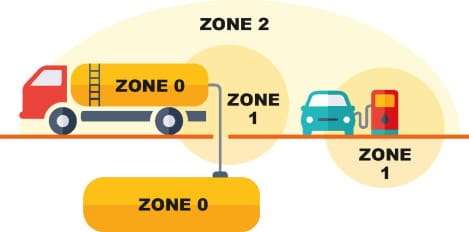
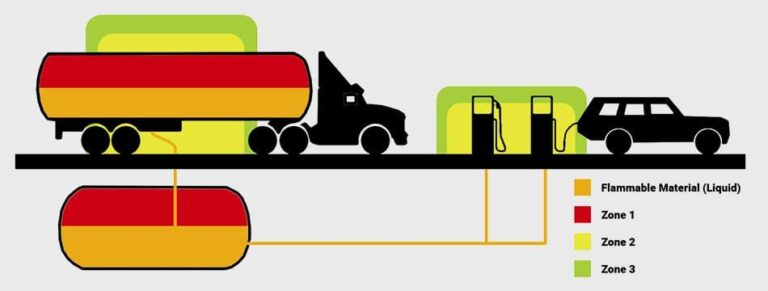
  • Zone 0: A place where an explosive atmosphere is present continuously or for long periods (e.g., inside fuel tanks).

  • Zone 1: Where an explosive atmosphere is likely during normal operations (e.g., near fuel pumps).

  • Zone 2: Where it is unlikely but possible for explosive atmospheres to occur, and only for short periods (e.g., ventilation areas).

2. Dust Zones

  • Zone 20: Explosive dust atmosphere is present continuously or frequently (e.g., inside silos).

  • Zone 21: Likely during normal operations (e.g., around powder filling areas).

  • Zone 22: Rare and short duration presence of explosive dust (e.g., dust collectors or filters).

This classification enables employers to assess risks and choose appropriate equipment.

How Is a Zone Determined?

Determining the ATEX explosive atmosphere zone involves a thorough risk assessment. Here are the key steps:

  1. Identify Flammable Substances
    Assess which materials in your workplace can create an explosive mix when combined with air.

  2. Assess the Frequency of Release
    Consider how often flammable substances are present during regular or irregular operations.

  3. Evaluate Ventilation and Environment
    Good ventilation may reduce the likelihood of an explosive atmosphere persisting.

  4. Define Zone Boundaries
    Clearly mark and document each zone according to ATEX standards to avoid confusion and ensure safety.

Equipment Categories for ATEX Zones

Each ATEX zone requires specific equipment that minimizes the risk of ignition.

  • Category 1 Equipment: For Zone 0 or Zone 20 – very high protection, must remain safe even during rare faults.

  • Category 2 Equipment: For Zone 1 or Zone 21 – high level of protection for normal operation and foreseeable faults.

  • Category 3 Equipment: For Zone 2 or Zone 22 – standard protection suitable for low-risk areas.

All ATEX-certified equipment will have a marking indicating its approved zone, gas/dust group, and temperature class.

Employer Responsibilities Under ATEX

Compliance with the ATEX explosive atmosphere zone in Morocco classification is not just about choosing the right equipment. Employers must take a holistic approach to safety:

  • Conduct a Hazard Assessment
    A risk analysis must be performed by a qualified professional.

  • Create an Explosion Protection Document (EPD)
    Required by ATEX 153, this document outlines identified risks, preventive measures, and zone classifications.

  • Train Workers
    Employees must understand the risks, zones, and safety procedures relevant to their tasks.

  • Label and Sign Zones
    Clearly mark ATEX zones using standardized symbols and signs to alert staff and contractors.

  • Maintenance and Inspections
    Schedule regular checks on equipment and ventilation systems to maintain compliance and safety.

Common Challenges and Mistakes

Even with good intentions, companies can make critical errors when managing ATEX zones:

  • Misclassifying zones due to poor understanding of release frequency or ventilation impact.

  • Using non-certified equipment in hazardous areas, which can lead to fines and serious incidents.

  • Neglecting documentation, especially the Explosion Protection Document, which is legally required.

Avoiding these mistakes is essential to ensuring compliance and worker safety.

ATEX vs. IECEx: What’s the Difference?

ATEX is the European standard, while IECEx is an international certification system. Both aim to reduce explosion risks, but the key differences include:

  • Geographic Scope: ATEX applies in the EU; IECEx is used in countries like Australia, Brazil, and parts of Asia.

  • Documentation Requirements: IECEx places more emphasis on third-party testing and certification.

  • Mutual Recognition: Some countries accept both systems, but equipment must be appropriately marked.

When exporting or operating globally, understanding both standards is vital.

Why Understanding the ATEX Explosive Atmosphere Zone Matters

Compliance with ATEX zone classification is not just a legal requirement—it’s a critical part of risk management. Proper classification can:

  • Prevent catastrophic accidents

  • Save lives and protect workers

  • Avoid costly fines or shutdowns

  • Preserve equipment and infrastructure

By understanding what an ATEX explosive atmosphere zone is and how to assess it properly, companies can build a strong foundation for industrial safety.

Conclusion:

In environments where flammable gases or dusts are present, there’s no room for error. Understanding and applying the correct ATEX explosive atmosphere zone in Morocco classifications helps ensure safe working conditions and regulatory compliance.

Are you confident your facility is correctly classified and your team trained? If not, now’s the time to take action—before a hazard becomes a reality.