
Steam plays a critical role in countless industries, from manufacturing and pharmaceuticals to food processing and power generation. However, many facilities overlook the importance of monitoring and optimizing steam systems. An audit of the steam circuit offers an opportunity to uncover inefficiencies, enhance safety, and save significant operational costs.

This article explores how a thorough audit can transform the performance of your steam network while supporting sustainability and compliance goals.

Understanding the Steam Circuit and Why It Needs Auditing

audit of the steam circuit

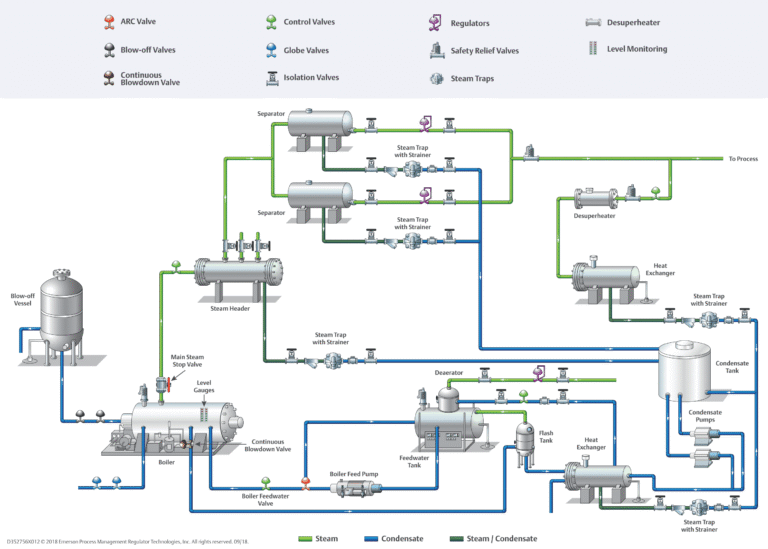
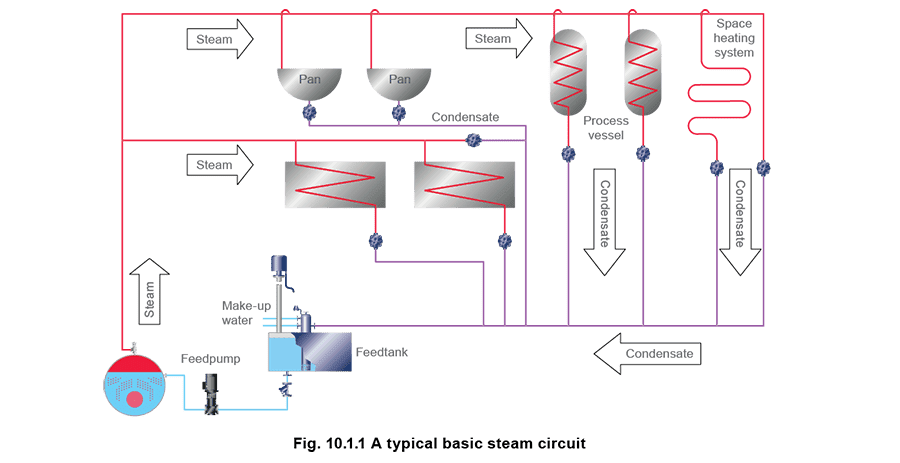
A steam circuit audit involves a detailed technical evaluation of your steam system—from the boiler house to the point of end use and the condensate return. It identifies energy losses, mechanical issues, and process inefficiencies that often go unnoticed in daily operations.

Without this type of audit, even well-maintained systems may suffer from:

  • Excessive fuel consumption

  • Steam leaks

  • Undetected equipment failures

  • Low-quality steam delivery

Each of these issues directly impacts energy costs and safety. Fortunately, a well-executed audit highlights areas for improvement, both technical and operational.

Key Objectives of an Audit of the Steam Circuit

audit of the steam circuit

1. Reduce Energy Waste Across the Steam Network

Energy is expensive. Yet in most plants, 20–30% of steam is lost due to inefficiencies. An audit identifies precisely where and how that energy is being wasted.

Transitioning to better insulation, eliminating leaks, or correcting pressure drops can quickly reduce energy consumption—without major equipment investment.

2. Ensure Equipment Operates Safely and Reliably

Steam systems operate under pressure and high temperature. When something goes wrong—like a failed pressure valve or faulty trap—the risks are high. Not only does this threaten operations, but it also endangers personnel.

Through regular audit of the steam circuit, these risks can be mitigated well before failure occurs.

3. Extend Lifespan of Assets and Infrastructure

Corrosion, scaling, water hammer, and excessive pressure wear out system components prematurely. Identifying early-stage issues through audits helps prevent damage, extending the lifespan of key assets and avoiding costly unplanned downtime.

4. Support Compliance and Emission Reduction Goals

Many industries must now adhere to strict environmental regulations. An optimized steam circuit emits less CO₂ and consumes less fuel, helping companies meet local and international energy efficiency standards.

Keyphrase Integration: Audit of the Steam Circuit in Process Sections

Evaluating Boiler Efficiency and Fuel Usage

The boiler is the foundation of any steam system. Its performance impacts the entire circuit. During the audit of the steam circuit in Morocco, boiler efficiency is assessed based on combustion quality, blowdown control, and flue gas temperature.

Even small improvements—like adjusting burner settings or reducing excess air—can yield significant energy savings.

Inspecting the Steam Distribution System

Steam distribution is where major losses can occur. Leaks, damaged insulation, oversized pipes, or poor layout cause pressure drops and steam condensation. These issues reduce steam quality at the point of use.

An audit looks closely at pipe routes, insulation thickness, and steam velocity. This ensures that steam reaches end-use points efficiently and with minimal loss.

Assessing the Steam Traps Network

Steam traps remove condensate from the system without letting steam escape. A single failed trap can waste hundreds of kilograms of steam daily. Multiply that across a facility, and you have a major cost issue.

Auditors use ultrasonic detectors or temperature measurements to test each trap’s performance. Failed units are logged and scheduled for repair or replacement.

Optimizing Condensate Return and Heat Recovery

Recovered condensate is hot and treated—making it ideal for reuse. However, not all systems maximize this opportunity. An audit identifies areas where condensate can be redirected or reused, which improves boiler feedwater efficiency and reduces treatment needs.

Additionally, heat recovery options—like flash steam or economizers—can be recommended where appropriate.

Common Findings During a Steam Circuit Audit

Many plants are surprised by the results of their first audit. Among the most frequent issues uncovered are:

  • Steam traps stuck open or closed

  • Poor insulation on valves and fittings

  • Misconfigured pressure reducing valves

  • Blockages in condensate lines

  • Unused or dead-end piping still connected to the network

Beyond just pointing out these issues, the audit also offers solutions. These can range from simple insulation fixes to re-engineering sections of the steam circuit.

Technologies and Tools Used in the Steam Circuit Audit

Advanced tools help auditors detect hidden inefficiencies:

ToolPurpose
Infrared CamerasDetect heat loss from insulation or leaks
Ultrasonic Leak DetectorsIdentify high-frequency sounds from leaking steam
Flow MetersMeasure actual steam and condensate flow rates
Trap Testing DevicesCheck trap function in real-time
Thermal Imaging DronesScan large overhead networks or inaccessible areas

These technologies increase the accuracy and depth of the audit, making sure nothing is missed.

Implementing Recommendations Post-Audit

The value of an audit of the steam circuit depends on how well its recommendations are applied. A structured implementation plan should include:

  1. Cost-benefit prioritization – Fix high-impact issues first

  2. Scheduled repairs or retrofits – Plan around production needs

  3. Staff training – Ensure operators understand new procedures

  4. Monitoring and verification – Track improvements over time

Long-term success comes from making audits part of a continuous improvement strategy—not just a one-time fix.

Real-World Results: Industrial Case Study

Let’s look at a mid-sized chemical plant that recently completed a steam audit:

  • 30% of traps were malfunctioning

  • Insulation was missing on over 200 meters of piping

  • Condensate recovery was operating at only 40% efficiency

Within six months of applying audit recommendations, the plant achieved:

  • 22% reduction in fuel use

  • 15% drop in maintenance costs

  • Significantly improved steam reliability

These results highlight the tangible benefits of regular auditing.

How Often Should You Conduct a Steam Circuit Audit?

Most facilities benefit from a full audit every 2 to 3 years. However, if your plant has aging equipment, frequent breakdowns, or rising energy costs, more frequent assessments may be needed.

In between audits, a basic self-assessment can help track key metrics and prepare for the next full evaluation.

Final Thoughts

An audit of the steam circuit in Morocco is a strategic move that goes beyond simple maintenance. It reveals where your system is losing energy, exposing risk, and falling short of its potential. With the right actions, you can turn those insights into measurable gains—financially and operationally.