
To ensure training is impactful and engaging, consider these key principles:
Assess the Risks
Start with a risk assessment. Identify specific fire hazards in your environment. This helps tailor the training to real threats—such as flammable materials, electrical equipment, or kitchen appliances.
Use Practical, Hands-On Methods
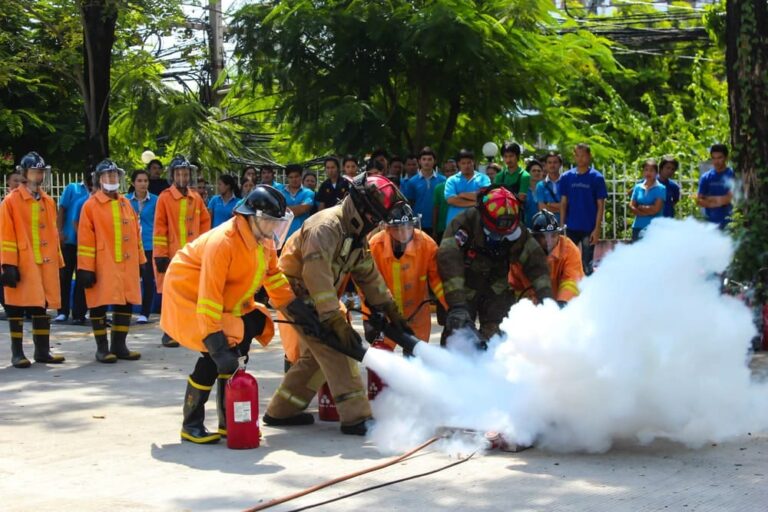
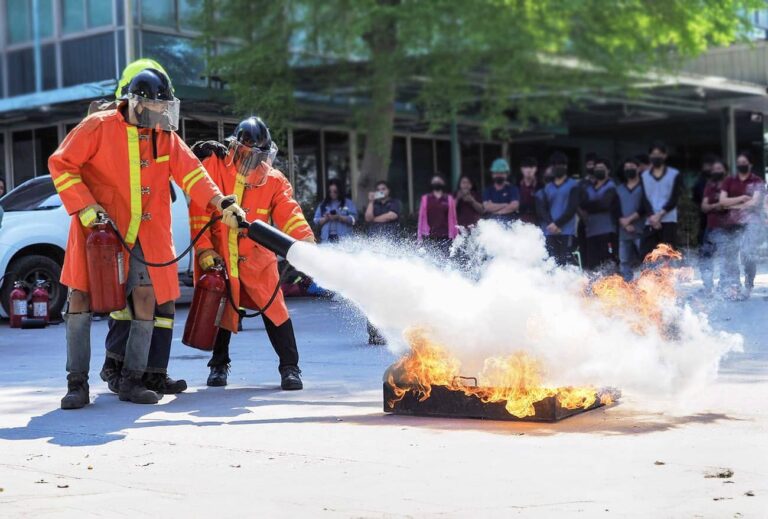
Theory is important, but practical experience cements learning. Include:
Fire extinguisher demonstrations
Realistic evacuation drills
Hazard identification walkthroughs
Keep the Training Current
Regulations change. So does technology. Update your training regularly—at least annually—and after any major workplace changes.
Engage Professionals
Consider working with certified fire safety consultants or local fire departments. They offer expertise, resources, and live demonstrations that increase engagement and effectiveness.