Fires are among the most devastating emergencies that can strike any business or institution. Beyond the obvious threat to life, they cause extensive property damage, disrupt operations, and result in significant financial losses. That’s why Fire Protection Training is not just a legal requirement in many industries—it’s a crucial investment in safety and preparedness.

Whether you manage a warehouse, office building, factory, or school, proper training can mean the difference between a controlled situation and a disaster. In this article, we’ll explore what this training involves, why it matters, and how to implement an effective program for your team.

What is Fire Protection Training?

Fire Protection Training

Fire Protection Training involves teaching employees how to prevent, respond to, and manage fire-related emergencies. This includes understanding the causes of fires, learning evacuation procedures, using fire extinguishers correctly, and identifying fire hazards in the workplace.

Key Components Include:

  • Fire prevention awareness

  • Emergency response procedures

  • Evacuation plans and drills

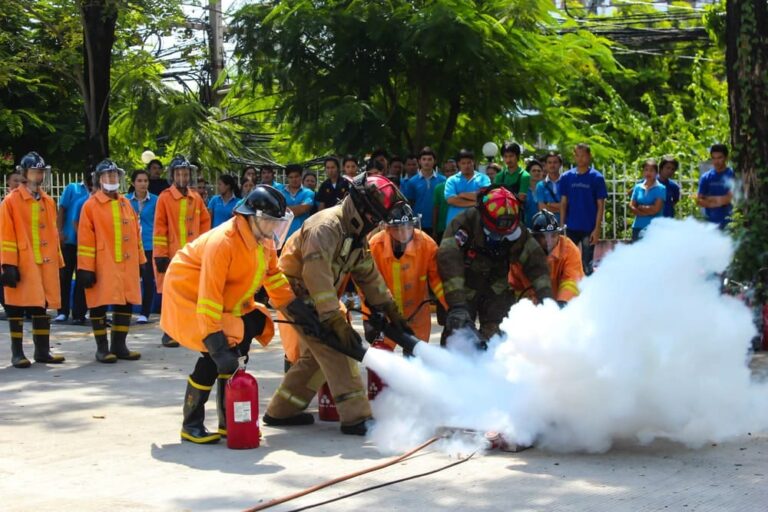
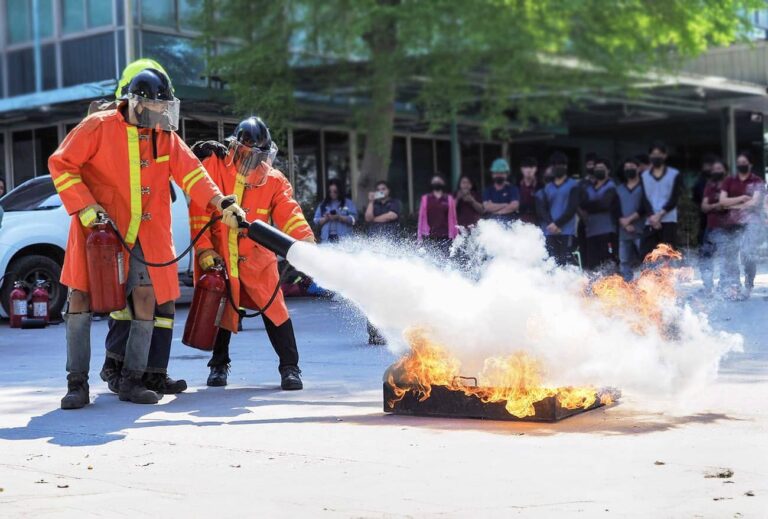
  • Hands-on extinguisher training

  • Fire safety equipment familiarization

The goal is to ensure every employee is equipped with the knowledge and confidence to act quickly and appropriately in the event of a fire.

Why Fire Protection Training Is Non-Negotiable

1. Protecting Lives

The primary reason to implement Fire Protection Training is to save lives. In emergencies, panic and confusion often take over. With training, employees understand what to do and where to go. This can significantly reduce the risk of injury or death.

2. Minimizing Property Damage

Quick and informed action can prevent small fires from escalating. Employees trained to use extinguishers or to recognize electrical or chemical hazards can contain incidents before emergency services arrive.

3. Ensuring Legal Compliance

Many countries and regions have occupational health and safety laws that require fire safety training. Non-compliance can lead to fines, lawsuits, or shutdowns. Training also helps businesses meet insurance policy conditions.

Who Needs Fire Protection Training?

While it’s easy to assume that only industrial workers or safety officers need this training, the reality is broader. Every employee should receive basic training tailored to their environment. Specific teams—such as emergency response teams or safety wardens—may require advanced instruction.

Industries That Benefit the Most:

  • Manufacturing

  • Hospitality

  • Healthcare

  • Construction

  • Education

  • Warehousing and logistics

Even in low-risk office environments, Fire Protection Training in Morocco helps staff understand how to exit safely, assist others, and communicate effectively during an evacuation.

Designing an Effective Fire Protection Training Program

To ensure training is impactful and engaging, consider these key principles:

Assess the Risks

Start with a risk assessment. Identify specific fire hazards in your environment. This helps tailor the training to real threats—such as flammable materials, electrical equipment, or kitchen appliances.

Use Practical, Hands-On Methods

Theory is important, but practical experience cements learning. Include:

  • Fire extinguisher demonstrations

  • Realistic evacuation drills

  • Hazard identification walkthroughs

Keep the Training Current

Regulations change. So does technology. Update your training regularly—at least annually—and after any major workplace changes.

Engage Professionals

Consider working with certified fire safety consultants or local fire departments. They offer expertise, resources, and live demonstrations that increase engagement and effectiveness.

Fire Protection Training in Action: A Workplace Scenario

Imagine a mid-sized distribution center. A fire breaks out due to an overloaded power strip. Thanks to recent Fire Protection Training in Morocco, a nearby employee:

  • Identifies the fire early

  • Uses the appropriate extinguisher

  • Alerts the emergency team

  • Initiates evacuation procedures

Within minutes, the fire is contained. No injuries. Minimal damage. Operations resume the next day.

Without training, the fire could have spread unchecked, causing injuries, halting operations for weeks, and risking lives.

Common Fire Hazards Employees Should Recognize

Training should teach staff how to spot and reduce fire risks such as:

  • Overloaded electrical outlets

  • Blocked exits or hallways

  • Improper storage of flammable materials

  • Neglected kitchen appliances

  • Dust buildup in machinery or ventilation systems

When employees can identify hazards early, they become proactive in fire prevention, not just response.

Technology’s Role in Modern Fire Training

Today, innovative solutions enhance how Fire Protection Training is delivered:

Virtual Reality (VR)

Immersive VR experiences simulate real fire scenarios, allowing trainees to practice responses in a safe, controlled setting.

Online Learning Platforms

E-learning modules make training accessible anytime, especially for remote teams or businesses with multiple locations.

Mobile Apps

Apps provide instant access to safety procedures, hazard reports, and emergency contacts.

Technology complements traditional training, making it more engaging and scalable.

The ROI of Fire Protection Training

Though training requires time and resources, the return on investment is significant. Consider the following benefits:

  • Reduced insurance premiums

  • Fewer workplace incidents

  • Less downtime from emergencies

  • Improved employee morale and confidence

  • Enhanced company reputation for safety

In the long term, a well-trained team protects both people and profits.

Conclusion:

Fire Protection Training in Morocco should not be a one-time event. It should become part of your organization’s culture—ongoing, updated, and valued.

When employees know how to act during a fire, they don’t just protect themselves—they protect everyone around them. Investing in this training sends a clear message: safety is a priority.