
When an emergency strikes, every second counts. That’s why fire responder training is more than just a requirement—it’s a life-saving necessity. This specialized training equips individuals with the knowledge and tools needed to act quickly, safely, and effectively during fire-related emergencies.

Whether you’re a new recruit, an experienced firefighter, or part of a volunteer unit, staying trained ensures you’re always ready to face high-stakes situations.

Let’s explore what this training entails, why it matters, and how it prepares fire responders for real-world challenges.

What Is Fire Responder Training?

Fire responder training in Morocco is a structured program designed to develop the practical and mental skills needed for fire and emergency response. It goes beyond basic fire safety. This training prepares individuals to handle:

  • Structural fires

  • Wildfires

  • Hazardous material incidents

  • Search and rescue operations

  • Medical emergencies related to fire situations

Participants learn to work efficiently in high-pressure environments while protecting themselves and others. The training focuses on both physical fitness and mental readiness.

Core Elements of Fire Responder Training

1. Fire Behavior and Science

Understanding how fire behaves is the first step. Trainees study:

  • The fire triangle (heat, fuel, oxygen)

  • Fire growth stages

  • Effects of ventilation

  • Flashover and backdraft scenarios

This knowledge allows responders to predict fire movement and make safer decisions during operations.

2. Personal Protective Equipment (PPE)

Safety starts with the right gear. Trainees learn how to:

  • Properly wear and maintain PPE

  • Use SCBA (self-contained breathing apparatus)

  • Identify gear for different fire types and hazards

Hands-on practice ensures that responders are fully protected in active fire zones.

3. Fire Suppression Techniques

Controlling and extinguishing fires is the core of the job. Training includes:

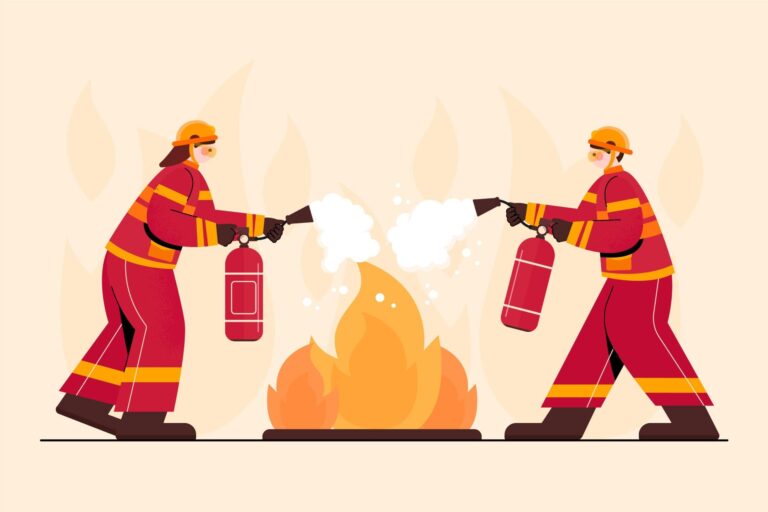
  • Hose handling and water application methods

  • Use of foam and extinguishing agents

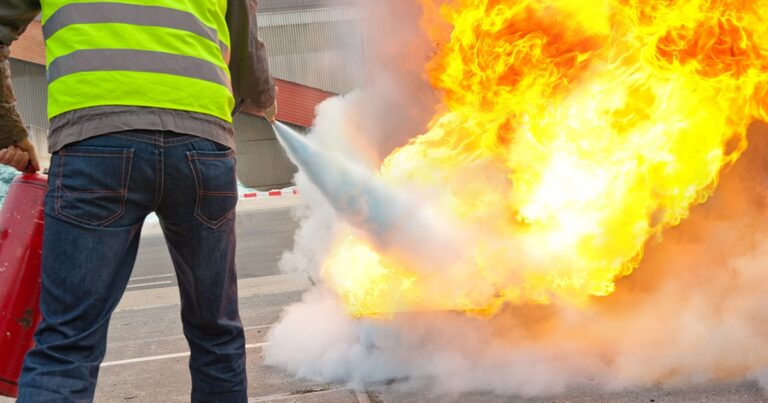
  • Operating various types of fire extinguishers

  • Coordination in team-based suppression efforts

Trainees practice under realistic conditions to build muscle memory and quick decision-making.

Emergency Medical Response Skills

Fire responders often serve as first responders to medical emergencies. Their training includes:

  • CPR and AED use

  • Basic trauma care

  • Managing burn injuries

  • Patient evacuation techniques

Quick medical action can significantly improve survival rates in fire-related incidents.

Search and Rescue Operations

In a smoke-filled building, visibility is near zero. Trainees are taught to:

  • Navigate confined and dangerous spaces

  • Locate and rescue trapped individuals

  • Communicate clearly with team members

  • Use thermal imaging cameras

Realistic drills help simulate pressure and enhance readiness.

Fire Responder Training for Mental Resilience

The emotional toll of fire response is high. That’s why mental preparedness is part of the curriculum. Training may include:

  • Stress management techniques

  • Situational awareness

  • Leadership under pressure

  • Team debriefing after critical incidents

Building emotional strength is as vital as physical skill in this profession.

Technology and Equipment Handling

Modern fire departments rely on advanced tools. Trainees must become familiar with:

  • Fire engines and aerial ladders

  • Rescue saws and hydraulic tools

  • Communication systems (radios, dispatch)

  • GIS and mapping technologies for wildfires

Knowing how to operate and maintain equipment ensures safety and efficiency.

Ongoing Fire Responder Training and Certification

Training doesn’t end after the first course. Fire responders undergo regular:

  • Refresher courses

  • Certification renewals (like NFPA standards)

  • Simulated drills and community outreach programs

  • Cross-training with other emergency services

Continual learning keeps skills sharp and knowledge current with evolving risks.

The Importance of Teamwork and Communication

A fire responder never works alone. Successful missions depend on:

  • Clear communication during operations

  • Chain of command understanding

  • Trust between team members

  • Coordinated efforts with police and EMS units

Fire responder training puts strong emphasis on these soft skills to ensure every operation runs smoothly.

Benefits of Quality Fire Responder Training

Proper training delivers real-world advantages:

  • Faster response times

  • Reduced injury risk for both victims and responders

  • Better coordination during complex emergencies

  • Increased community trust and safety

Well-trained responders make the difference between containment and catastrophe.

Who Should Consider Fire Responder Training?

This training isn’t just for career firefighters. It’s ideal for:

  • Volunteer fire departments

  • Industrial safety teams

  • Campus and airport emergency units

  • Emergency medical technicians (EMTs)

  • Anyone involved in disaster response

If your role involves protecting people or property, fire responder skills are invaluable.

Challenges in Fire Responder Training Programs

While effective, these programs face challenges:

  • Budget constraints in smaller municipalities

  • Access to realistic training environments

  • Physical and emotional demands on trainees

  • Keeping up with changing fire behavior due to climate shifts

Despite obstacles, innovation in training tools (like VR simulations) is helping bridge gaps.

How to Choose a Reliable Training Program

Look for programs that:

  • Meet NFPA and local regulatory standards

  • Include hands-on simulations and live fire drills

  • Are taught by certified professionals with field experience

  • Provide medical and rescue training in addition to firefighting

Also consider programs that offer certifications recognized nationally or internationally.

Fire responder Training: A Lifelong Commitment to Safety

Fire responder training is not a one-time event—it’s an ongoing journey of learning and preparation. Every skill acquired, every scenario practiced, adds another layer of readiness.

Responders must be prepared not only to face fire but to lead, support, and protect their communities during their worst moments.

Conclusion:

Training saves lives. Whether you’re part of a local fire unit, a company emergency response team, or simply considering a new career path, fire responder training in Morocco equips you with the tools, knowledge, and confidence to act when it matters most.