
In industries where complex processes and hazardous materials are involved, safety isn’t optional—it’s essential. HAZOP training, short for Hazard and Operability Study training, equips professionals with the knowledge to identify risks before they become incidents. Whether you’re in oil and gas, pharmaceuticals, or manufacturing, mastering this methodology can save lives and reduce costly downtime.

This article will guide you through the fundamentals of HAZOP, its importance, how the training works, and who should consider it.

What Is HAZOP?

HAZOP training

HAZOP (Hazard and Operability Study) is a structured and systematic technique used to evaluate potential risks in a process. Originally developed in the 1960s by ICI (Imperial Chemical Industries), it has since become a standard in process safety.

The idea is simple yet powerful: a multidisciplinary team reviews process diagrams using guide words like “more,” “less,” or “none” to explore what could go wrong. This approach helps identify deviations, their causes, and possible consequences.

The Core Objectives of HAZOP Training

HAZOP training

HAZOP training is designed to develop the skills necessary for effective participation in a HAZOP study. It ensures that individuals:

  • Understand the HAZOP methodology and its terminology.

  • Can apply systematic thinking to real-world scenarios.

  • Are capable of identifying deviations and assessing risks.

  • Know how to document findings and recommend safeguards.

Participants typically work through practical case studies and simulated workshops to reinforce learning.

Who Needs HAZOP Training?

This training is beneficial for a wide range of roles, including:

  • Process Engineers
  • Safety Engineers
  • Operations Managers
  • Maintenance Supervisors
  • Regulatory Compliance Officers

Essentially, anyone involved in the design, operation, or maintenance of hazardous systems can benefit.

Even executives with decision-making authority can gain valuable insights from understanding HAZOP principles. It enables better resource allocation and reinforces a strong safety culture.

What Does HAZOP Training Typically Include?

1. Introduction to Risk Management

Before diving into HAZOP itself, most training programs begin with a foundational overview of risk management principles. This ensures everyone is on the same page regarding terminology and objectives.

2. HAZOP Methodology

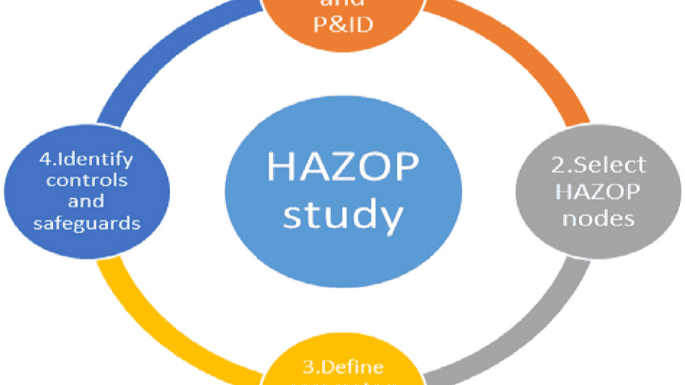
Here, participants learn the structured steps of conducting a HAZOP study, including:

  • Defining the scope

  • Selecting the right team

  • Breaking the process into manageable sections

  • Applying guide words

  • Recording findings

3. Guide Words and Their Application

Guide words like “more,” “less,” “reverse,” or “none” are crucial in identifying potential deviations. Training helps participants understand how to use these in various contexts.

4. Team Dynamics and Facilitation

Since HAZOP is a collaborative process, the training often includes exercises on group facilitation, communication skills, and conflict resolution. A well-facilitated team can identify more hazards than one working in silos.

5. Case Studies and Simulations

Hands-on learning is a core component. Simulations using real-world examples enable participants to apply theory in a safe, educational setting. This boosts retention and confidence.

Benefits of HAZOP Training for Organizations

Investing in HAZOP training in Morocco delivers tangible and long-term benefits:

1. Enhanced Safety Performance

When employees can proactively identify and mitigate risks, incidents are significantly reduced. This not only protects personnel but also prevents environmental and financial damage.

2. Regulatory Compliance

Regulatory bodies like OSHA, EPA, and others often require or recommend hazard analysis. HAZOP training helps ensure your documentation and practices meet these standards.

3. Operational Efficiency

Identifying potential issues before they arise helps avoid downtime and costly retrofits. Well-trained teams can spot inefficiencies during HAZOP reviews, leading to process improvements.

4. Improved Team Collaboration

Cross-functional collaboration is at the heart of HAZOP. Training reinforces teamwork, trust, and shared responsibility for safety outcomes.

How to Choose the Right HAZOP Training Program

Not all courses are created equal. Here are some key factors to consider when selecting a program:

Accreditation

Choose a provider that is recognized by industry bodies or has a proven track record in process safety.

Experienced Trainers

Instructors should have hands-on industry experience, not just academic knowledge.

Flexible Learning Formats

Look for options that suit your team—on-site, virtual, or hybrid. Customizable content tailored to your industry is also a plus.

Post-Training Support

The best programs offer access to resources or mentorship even after the course ends.

Common Mistakes to Avoid After HAZOP Training

1. Not Applying the Learning

Training should translate into action. Without applying the methods on the job, the knowledge fades quickly.

2. Relying Solely on Software

While tools can streamline documentation, the human element—critical thinking, experience, and teamwork—remains irreplaceable.

3. Treating HAZOP as a One-Time Event

HAZOP should be revisited whenever there are significant process changes. It’s not just a checkbox—it’s a continuous safety tool.

HAZOP Training and Digital Transformation

With the rise of Industry 4.0, digital tools are enhancing how HAZOP studies are conducted. From automated documentation to AI-assisted risk prediction, technology is reshaping process safety. However, these tools complement—not replace—the human judgment developed through solid HAZOP training in Morocco.

Being trained allows professionals to understand how to interpret data meaningfully and make informed decisions, especially in critical situations where context matters.

Final Thoughts:

Organizations that prioritize HAZOP training in Morocco are not just meeting compliance—they’re building a culture of prevention. They empower teams to think critically, collaborate effectively, and act decisively.

In a world where operational risks are evolving, staying ahead means investing in people. Training today could prevent a disaster tomorrow.