
1. Introduction to Risk Management
Before diving into HAZOP itself, most training programs begin with a foundational overview of risk management principles. This ensures everyone is on the same page regarding terminology and objectives.
2. HAZOP Methodology
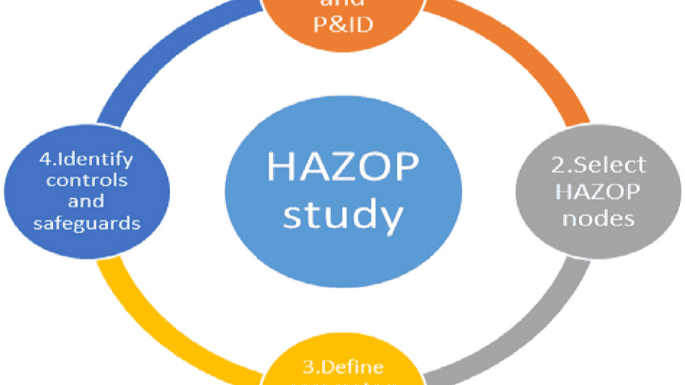
Here, participants learn the structured steps of conducting a HAZOP study, including:
Defining the scope
Selecting the right team
Breaking the process into manageable sections
Applying guide words
Recording findings
3. Guide Words and Their Application
Guide words like “more,” “less,” “reverse,” or “none” are crucial in identifying potential deviations. Training helps participants understand how to use these in various contexts.
4. Team Dynamics and Facilitation
Since HAZOP is a collaborative process, the training often includes exercises on group facilitation, communication skills, and conflict resolution. A well-facilitated team can identify more hazards than one working in silos.
5. Case Studies and Simulations
Hands-on learning is a core component. Simulations using real-world examples enable participants to apply theory in a safe, educational setting. This boosts retention and confidence.