
In today’s fast-evolving industries, safety regulation adherence is not just a legal requirement—it’s a vital component of responsible business operations. Whether you’re managing a construction site, a factory floor, or a corporate office, following safety rules protects lives, boosts productivity, and fosters trust.
This article explores the importance of adhering to safety regulations, how businesses can improve their compliance strategies, and the consequences of neglect. Let’s dive into what every organization needs to know.
Understanding Safety Regulation Adherence
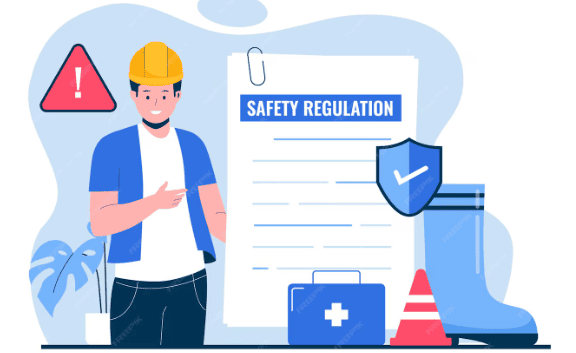
Safety regulation adherence means following laws, standards, and internal policies designed to protect workers, customers, and the environment. These rules can vary depending on your industry and country, but the objective remains the same: prevent harm and ensure smooth operations.
Agencies like OSHA (Occupational Safety and Health Administration) in the U.S. or the HSE (Health and Safety Executive) in the UK play key roles in defining and enforcing safety standards. Companies that ignore these regulations not only face legal penalties but also risk damaging their reputation.
Why It Matters for Your Business
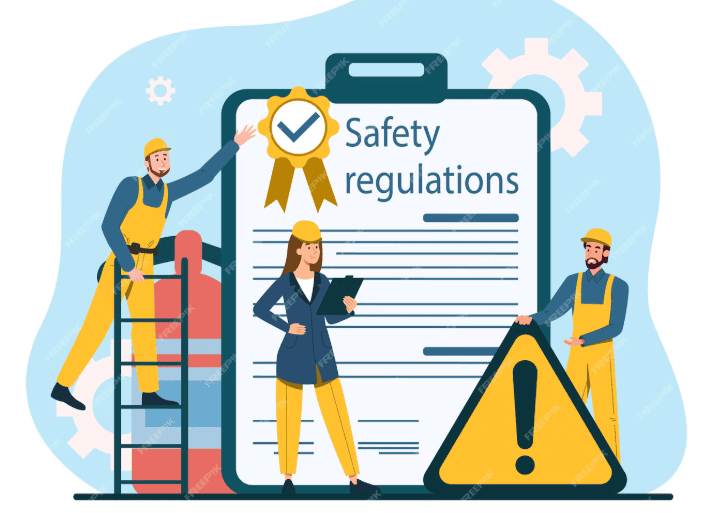
1. Protecting Employees and Customers
The primary goal of safety compliance is to prevent accidents. When a workplace follows safety regulations, it reduces hazards like machinery malfunctions, toxic exposure, or slip-and-fall incidents.
A company committed to safety regulation adherence also builds employee trust. Workers feel more secure and valued, which leads to higher morale and better retention.
2. Avoiding Legal Penalties
Non-compliance can result in hefty fines, legal action, or even forced shutdowns. In severe cases, company executives can be held personally liable.
Organizations with poor safety records may also struggle to win contracts, especially in highly regulated industries like construction, manufacturing, and energy.
3. Enhancing Operational Efficiency
Adhering to safety standards often means better organization and clearer processes. This can lead to fewer work stoppages, more predictable outcomes, and smoother operations overall.
Good safety practices reduce downtime caused by injuries or investigations. They also lower insurance premiums and workers’ compensation claims.
Key Elements of Effective Compliance
1. Clear Internal Policies
Start with well-documented safety procedures tailored to your specific operations. These should be easily accessible and updated regularly to reflect legal changes or internal lessons learned.
Train every employee on these policies. Learning should be ongoing—not just a one-time event during onboarding.
2. Regular Safety Audits
Conduct internal audits to identify risks and weaknesses. Consider bringing in third-party experts for unbiased evaluations.
Audits help companies catch issues early and show regulators that you’re proactive in ensuring safety regulation adherence.
3. Transparent Reporting Culture
Encourage employees to report hazards or incidents without fear of punishment. This transparency helps create a culture of continuous improvement.
Tools like anonymous reporting systems or regular safety check-ins can make a big difference.
Common Compliance Challenges (And How to Overcome Them)
Lack of Awareness
One of the most common reasons for non-compliance is a simple lack of knowledge. New hires, especially, might be unaware of certain procedures or risks.
Solution: Develop an onboarding program that prioritizes safety training. Offer regular refreshers to all staff.
Changing Regulations
Regulatory frameworks evolve, and what was acceptable last year might be out of compliance today.
Solution: Assign someone—or a team—to monitor updates in industry-specific safety laws and adapt policies as needed.
Budget Constraints
Some companies hesitate to invest in safety because of cost. But the price of non-compliance is often much higher.
Solution: Emphasize the long-term ROI of safety investments. Even small improvements (like better signage or personal protective equipment) can prevent costly incidents.
The Role of Leadership in Compliance
Top-level commitment is essential for safety regulation adherence. Leaders set the tone and provide the necessary resources for safety initiatives.
When management actively participates in safety meetings or wears PPE on site visits, it sends a powerful message. Their involvement shows that safety is not just a box to check—it’s a core business value.
Tools and Technologies That Support Safety Compliance
Digital Checklists and Inspections
Apps like iAuditor or Safesite allow teams to complete inspections digitally. These tools help standardize processes and provide real-time data.
Training Platforms
E-learning platforms can deliver safety modules to staff in different locations, ensuring consistent training across the organization.
Incident Tracking Systems
Platforms that log and analyze safety incidents help companies identify patterns and prevent future issues. They also create a solid paper trail for regulatory audits.
Case Studies: Success Through Compliance
Example 1: Manufacturing Firm Reduces Injuries by 60%
A mid-size manufacturing company implemented a new digital safety checklist system and trained supervisors on proactive risk detection. Within a year, they saw a 60% drop in reported injuries and avoided over $200,000 in insurance claims.
Example 2: Construction Company Wins More Contracts
By adopting strict safety protocols and proving consistent safety regulation adherence, a regional construction firm improved its safety rating. As a result, they qualified for larger government contracts and expanded their workforce by 30%.
Building a Culture of Compliance
True safety doesn’t come from one-time efforts. It requires a culture where safety is everyone’s responsibility.
Start by involving employees in safety decisions. Create safety committees, reward safe behavior, and communicate openly about risks and improvements.
Language and tone matter too. Instead of framing safety rules as restrictions, present them as tools for empowerment and protection.
Conclusion:
Safety regulation adherence is more than a regulatory checkbox—it’s a strategic advantage. It safeguards people, strengthens company reputation, and improves efficiency. Businesses that invest in safety not only avoid trouble—they thrive, especially when supported by regular occupational health and safety Regulatory audit in Morocco and consistent occupational health compliance practices.
To stay ahead, companies must conduct regular health and safety audit, workplace safety audit, and targeted occupational risk audit. These efforts are reinforced by tools like the Safety signage checklist, periodic Regulatory signage inspection, and a proactive site safety assessment.
In today’s environment, where industries grow more complex and regulatory scrutiny intensifies, integrating Regulatory compliance audit and workplace regulatory review into your processes is not just recommended—it’s essential for long-term success and sustainable growth.