
In an era of rising energy costs and growing environmental concerns, improving energy efficiency is more than a smart choice—it’s a necessity. One of the most effective ways to achieve this is through a Thermal Audit. Whether for industrial facilities, commercial buildings, or even large-scale residential infrastructures, a thermal audit can unveil critical insights into energy consumption, thermal losses, and optimization opportunities.

What Is a Thermal Audit?

Thermal Audit

A Thermal Audit in Morocco is a detailed inspection and analysis of how thermal energy is used, distributed, and lost in a system or building. Its goal is to identify inefficiencies and recommend improvements that lead to energy savings.

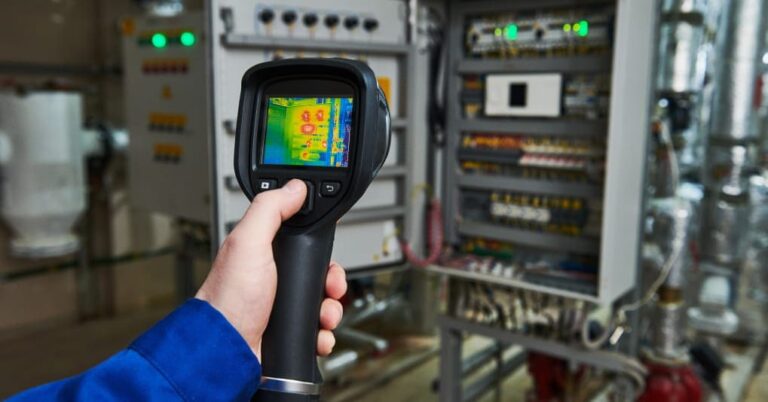
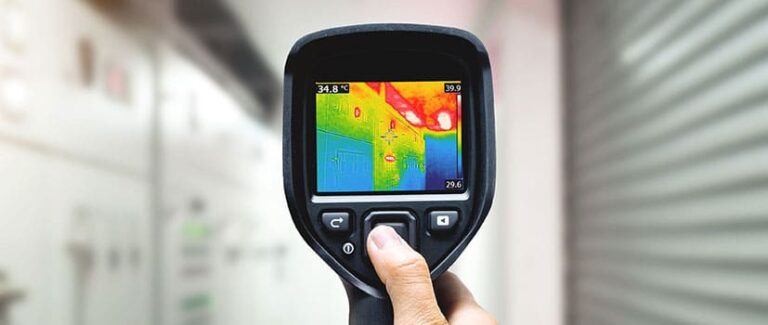
During the process, specialists use tools like infrared thermography, temperature sensors, and flow meters to collect data. The audit can cover equipment such as boilers, heat exchangers, insulation systems, ventilation ducts, and even windows or roofing materials.

Why Is a Thermal Audit Important?

Here are several reasons why conducting a thermal audit is beneficial:

1. Identifying Hidden Energy Losses

Thermal imaging and monitoring reveal areas where heat escapes unnoticed—through poor insulation, faulty windows, or inefficient machinery. These losses often go undetected until an audit is performed.

2. Reducing Energy Bills

By targeting specific areas for improvement, organizations can reduce unnecessary energy consumption. Lower consumption directly translates to lower utility costs.

3. Enhancing Equipment Performance

A thermal audit can highlight machinery that operates at non-optimal temperatures, risking early failure. Timely maintenance or upgrades can extend equipment life and reduce breakdowns.

4. Supporting Sustainability Goals

With a clearer view of thermal inefficiencies, companies can align their operations with environmental standards and lower their carbon footprint.

Key Components of a Thermal Audit

To better understand how a thermal audit is carried out, let’s break down its main components:

1. Pre-Audit Assessment

Before any inspection begins, auditors gather basic information about the facility. This includes:

  • Building or process layout

  • Energy consumption records

  • Equipment specifications

This phase ensures a focused and customized approach to the audit.

2. On-Site Data Collection

Experts use diagnostic tools to inspect systems and structures. The most common techniques include:

  • Infrared Thermography: Detects temperature anomalies in insulation, piping, and surfaces.

  • Flow Measurement: Tracks how heat moves through HVAC systems and production processes.

  • Surface Temperature Monitoring: Identifies overheating or under-heating zones.

3. Analysis and Interpretation

After collecting data, auditors analyze thermal patterns to pinpoint inefficiencies. For example:

  • Are certain areas overheating unnecessarily?

  • Is insulation performing as expected?

  • Are boilers and chillers running efficiently?

4. Recommendations and Reporting

The audit concludes with a detailed report. It typically includes:

  • Identified issues and their impact

  • Recommended improvements

  • Cost-benefit analysis

  • Return on investment (ROI) projections

Thermal Audit in Industrial Applications

Industries consume vast amounts of thermal energy, making them prime candidates for thermal audits. In factories, energy losses may occur through:

  • Poorly maintained steam lines

  • Uninsulated surfaces

  • Inefficient heat recovery systems

A thorough thermal audit helps industries make informed decisions on upgrading systems, retrofitting insulation, or implementing automated controls. The results often include better energy use, improved safety, and compliance with energy regulations.

Thermal Audit in Buildings and Infrastructure

In commercial and residential buildings, a thermal audit can improve:

  • Indoor comfort

  • HVAC performance

  • Heating and cooling costs

For instance, thermal imaging may reveal cold spots caused by inadequate insulation or air leaks near windows. Fixing these issues can significantly reduce heating bills in winter and cooling costs in summer.

Tools and Technology Used in Thermal Audits

Thanks to modern advancements, thermal audits in Morocco have become more accurate and less intrusive. Common tools include:

1. Thermal Cameras

These devices capture infrared radiation and visualize temperature differences across surfaces. They are essential for spotting hot or cold spots in real time.

2. Ultrasonic Leak Detectors

They help detect compressed air or steam leaks—often invisible to the naked eye—that contribute to thermal losses.

3. Data Loggers

These instruments continuously monitor temperature, humidity, and airflow over time, providing deeper insights into system behavior.

How Often Should a Thermal Audit Be Performed?

The frequency depends on several factors:

  • Age of the facility

  • Energy consumption levels

  • Type of operations

Generally, it’s recommended to perform a thermal audit every 2 to 3 years, or whenever major system upgrades occur. Regular audits help maintain optimal energy performance and prevent gradual efficiency losses.

Challenges in Conducting a Thermal Audit

While the benefits are clear, there are a few challenges to consider:

1. Accessibility of Areas

Some thermal losses occur in hard-to-reach spaces, requiring specialized equipment or safety protocols.

2. Initial Investment

Although thermal audits provide long-term savings, they require upfront costs for tools and professional services.

3. Interpretation of Data

Thermal data needs careful analysis by trained experts to avoid misdiagnosis or ineffective recommendations.

Case Example: Thermal Audit in a Manufacturing Plant

A mid-sized factory in Europe conducted a thermal audit to address high energy bills. The audit revealed:

  • Steam losses due to damaged insulation

  • Overheating motors causing wasted electricity

  • Poor air sealing in loading bays

By implementing suggested changes, the plant reduced energy consumption by 18% within a year, saving thousands in operational costs.

Thermal Audit and Energy Regulations

Many countries now encourage or require energy audits, including thermal assessments, as part of their regulatory framework. For instance:

  • The European Energy Efficiency Directive mandates energy audits for large enterprises.

  • In the U.S., ASHRAE and ISO standards guide energy auditing practices.

A thermal audit can serve as part of compliance documentation and support energy management certifications.

Conclusion:

A Thermal Audit in Morocco offers more than just energy savings—it provides a roadmap to better performance, longer equipment lifespan, and a smaller environmental impact. Whether you’re managing an industrial plant, a commercial building, or public infrastructure, thermal auditing is a smart investment with measurable returns.