
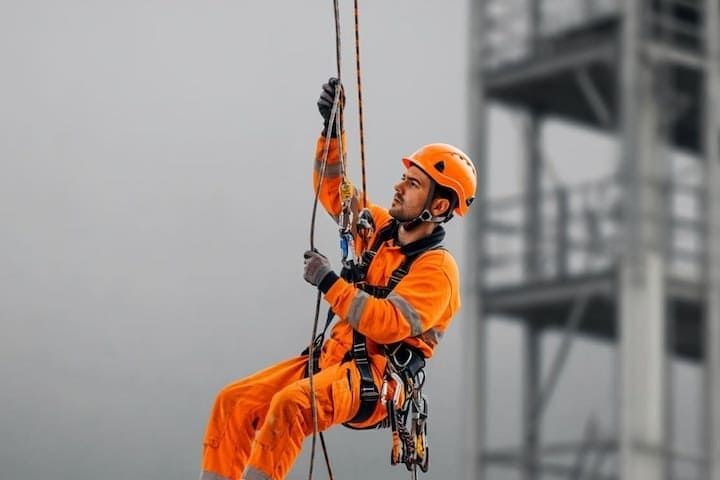
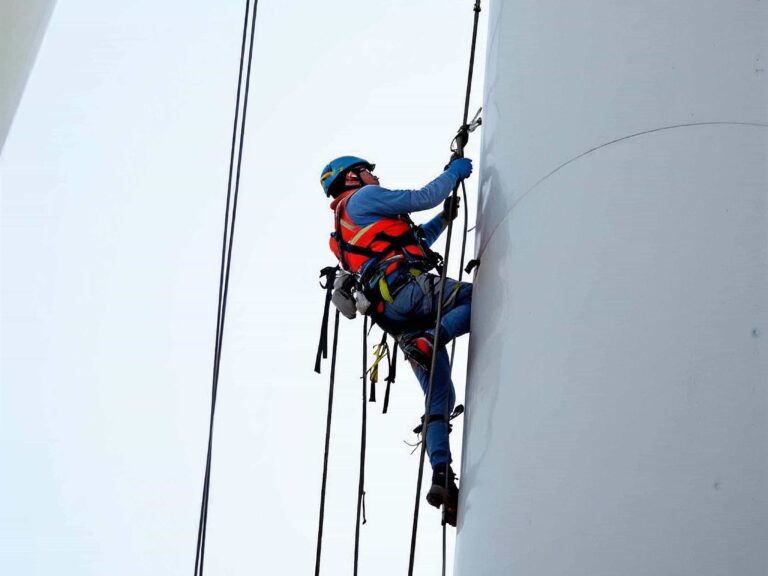
Working at height is one of the most dangerous tasks across many industries. Whether it’s construction, maintenance, or warehousing, falls from height remain a leading cause of workplace injuries and fatalities worldwide. That’s why work at height training is not just important—it’s legally and morally necessary.

This comprehensive guide explores what this training entails, why it matters, who needs it, and how organizations can implement effective programs.

What is Work at Height?

work at height training

“Working at height” refers to any work where a person could fall and injure themselves. This includes working:

  • On ladders or scaffolds

  • On rooftops or platforms

  • Near openings in floors or holes in the ground

  • On fragile surfaces where there’s a risk of collapse

If there’s any risk of falling from one level to another, safety precautions—and proper training—are essential.

Why Work at Height Training Matters

work at height training

Without proper training, workers may not recognize the risks associated with elevated work areas. They may also misuse protective equipment or fail to implement safe practices. This is where work at height training becomes critical.

Preventing Fatal Accidents

Falls from height are the leading cause of death in construction, accounting for around 30% of all fatal injuries in the sector. Proper training can significantly reduce this number by teaching workers how to assess risks and use protective systems.

Ensuring Legal Compliance

Many countries have regulations requiring specific safety measures for those working at heights. Employers who fail to train their workers may face legal penalties, insurance issues, or even prosecution in the event of a serious accident.

Key Components of Effective Work at Height Training

A well-structured training program covers more than just climbing a ladder safely. Here are the essential components:

1. Risk Assessment

Before starting any work at height, workers should be trained to assess potential hazards. This includes evaluating:

  • The working environment

  • Weather conditions

  • Equipment stability

  • Access and egress points

2. Use of Personal Protective Equipment (PPE)

PPE like harnesses, helmets, and fall arrest systems must be used correctly. Training ensures workers:

  • Know how to inspect PPE for damage

  • Understand how to wear it properly

  • Can recognize when equipment is unsuitable for the task

3. Ladder and Scaffold Safety

Many incidents occur due to improper use of ladders and scaffolds. Training includes:

  • How to secure ladders

  • Safe climbing techniques

  • Scaffold erection and inspection procedures

4. Emergency Procedures

Workers should know what to do if something goes wrong. Training often includes:

  • Fall rescue plans

  • Communication systems

  • First aid protocols

Who Needs Work at Height Training?

Any employee expected to work above ground level—regardless of how high—should receive training. This includes:

  • Construction workers

  • Window cleaners

  • Maintenance staff

  • Telecom and electrical line workers

  • Warehouse employees using mezzanine storage

Even supervisors or managers who oversee high-risk activities should understand the basics of work at height training to manage safety effectively.

Legal and Industry Requirements

Regulations vary depending on location, but most follow similar principles:

  • Employers must ensure the safety of workers at height.

  • A risk assessment must be conducted before any such work begins.

  • Suitable training must be provided to all involved personnel.

For example, the UK’s Work at Height Regulations 2005 state that employers must ensure that all work at height is properly planned, supervised, and carried out by competent people.

In the U.S., OSHA (Occupational Safety and Health Administration) mandates fall protection for heights over 6 feet in construction. They also require employers to provide training to help recognize and avoid fall hazards.

Choosing the Right Training Provider

Not all training is created equal. When selecting a provider, ensure they:

  • Are accredited or certified by a recognized safety authority

  • Offer hands-on practical training, not just theory

  • Provide customized content relevant to your industry

  • Include assessments to ensure comprehension

Online modules can be useful for theory, but practical application is crucial, especially when it comes to using fall protection systems.

Implementing a Training Program in Your Organization

Here’s a step-by-step guide to launching a successful program:

Step 1: Identify At-Risk Roles

Audit your workforce to identify who may be exposed to work at height situations. Don’t forget subcontractors or part-time workers.

Step 2: Set Clear Training Objectives

Define what workers should know or be able to do after the training. This could include using a harness correctly, spotting unstable surfaces, or performing a rescue.

Step 3: Schedule Regular Refresher Sessions

Knowledge fades over time. Annual refreshers keep safety at the forefront and help prevent complacency.

Step 4: Monitor and Evaluate

Track training completion, test understanding, and observe behavior on-site. Adjust the training based on real-world performance and feedback.

Benefits Beyond Compliance

Work at height training doesn’t just help you meet legal obligations. It also brings long-term benefits:

  • Reduced downtime from injuries

  • Lower insurance premiums

  • Improved employee confidence and morale

  • Enhanced company reputation as a safe workplace

Investing in training is more cost-effective than dealing with the consequences of an accident.

The Future of Work at Height Safety

Technology is enhancing how we manage work at height. Drones, for instance, are reducing the need for manual inspections in dangerous areas. Virtual reality (VR) is being used for realistic, immersive safety training. These innovations complement traditional training by making learning more engaging and memorable.

However, no matter how advanced the tools, they can’t replace a strong foundation of work at height training that equips workers with the knowledge and judgment to stay safe.

Conclusion

Safety at height is non-negotiable. Whether you’re a business owner, site manager, or worker, ensuring that proper work at height training is in place can prevent tragedy, save money, and uphold your company’s values.